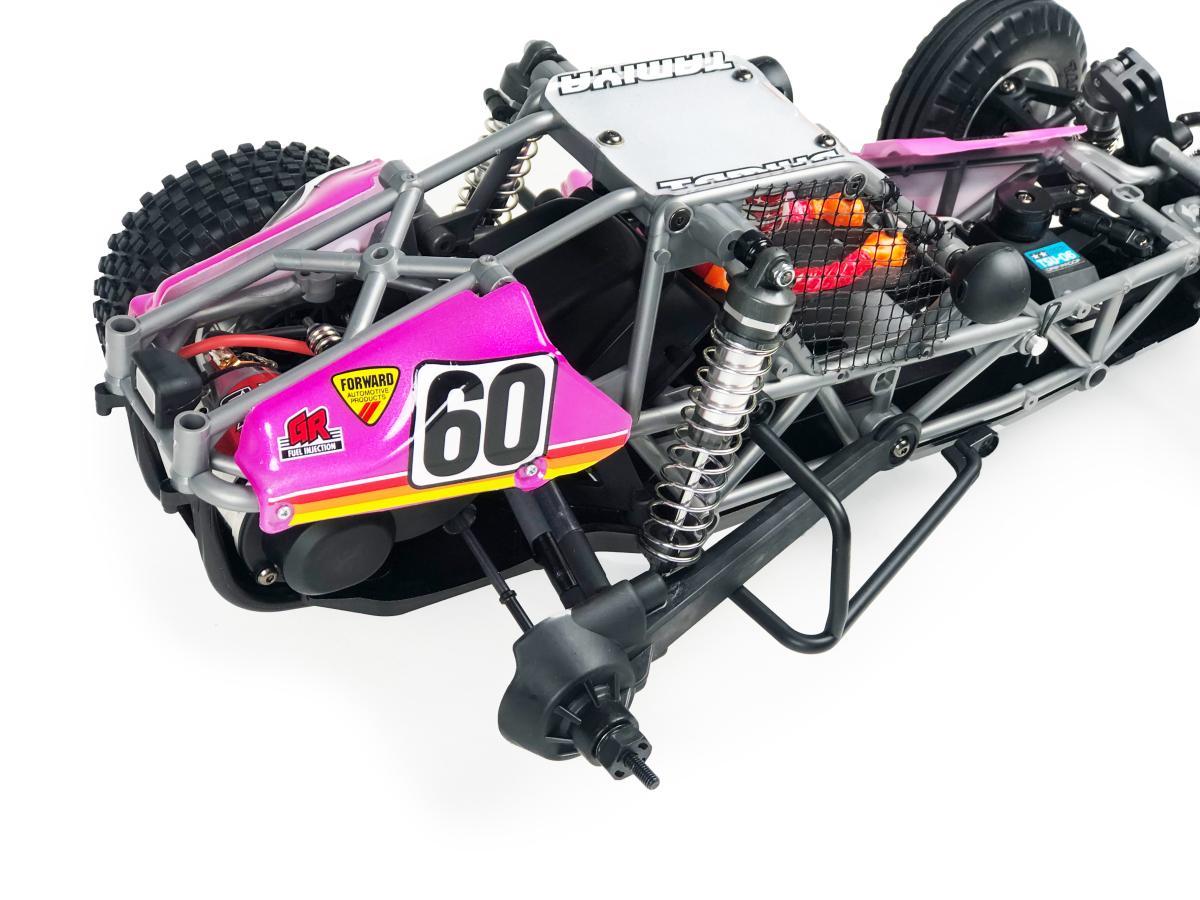
Tamiya BBX with BB-01 Chassis
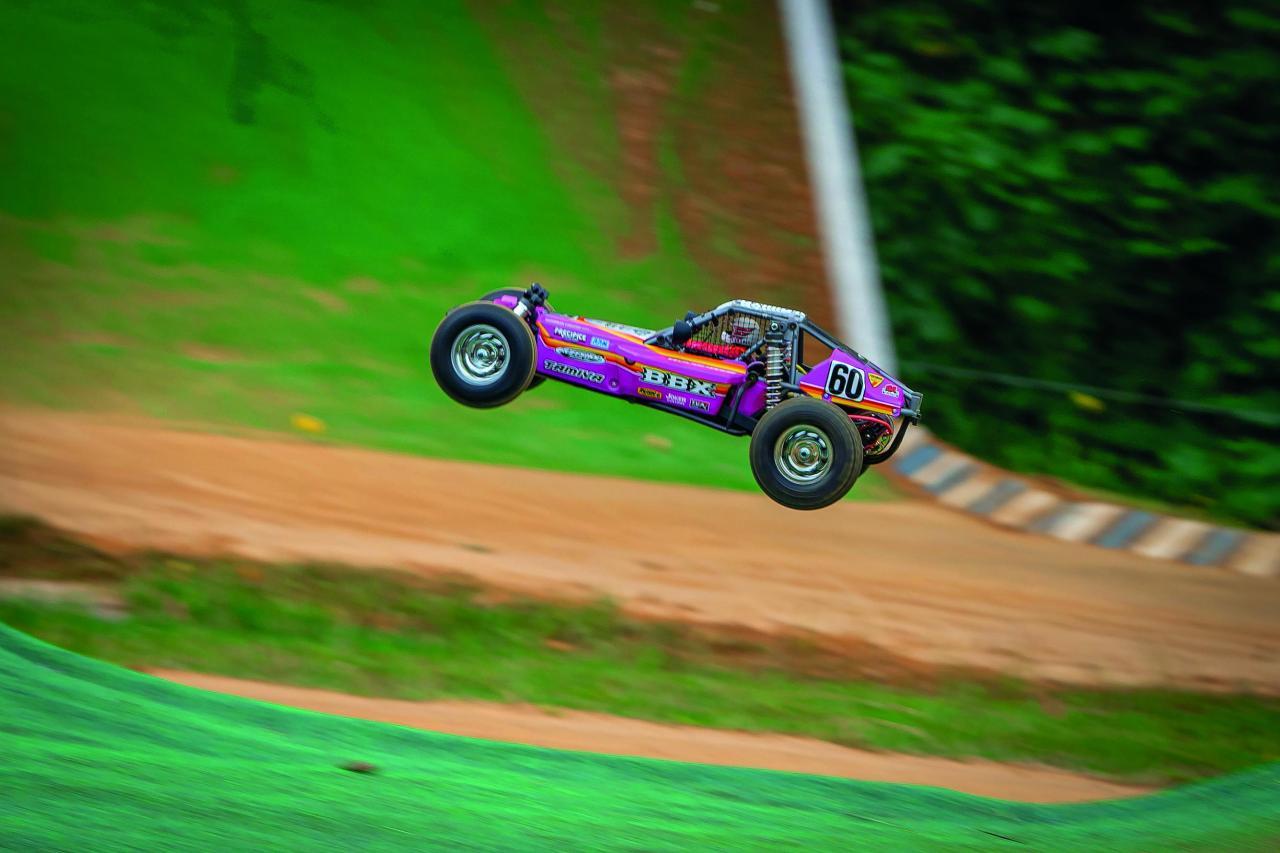
The BBX can handle cross-axle torque, and that's already an indication of good traction on the rear axle
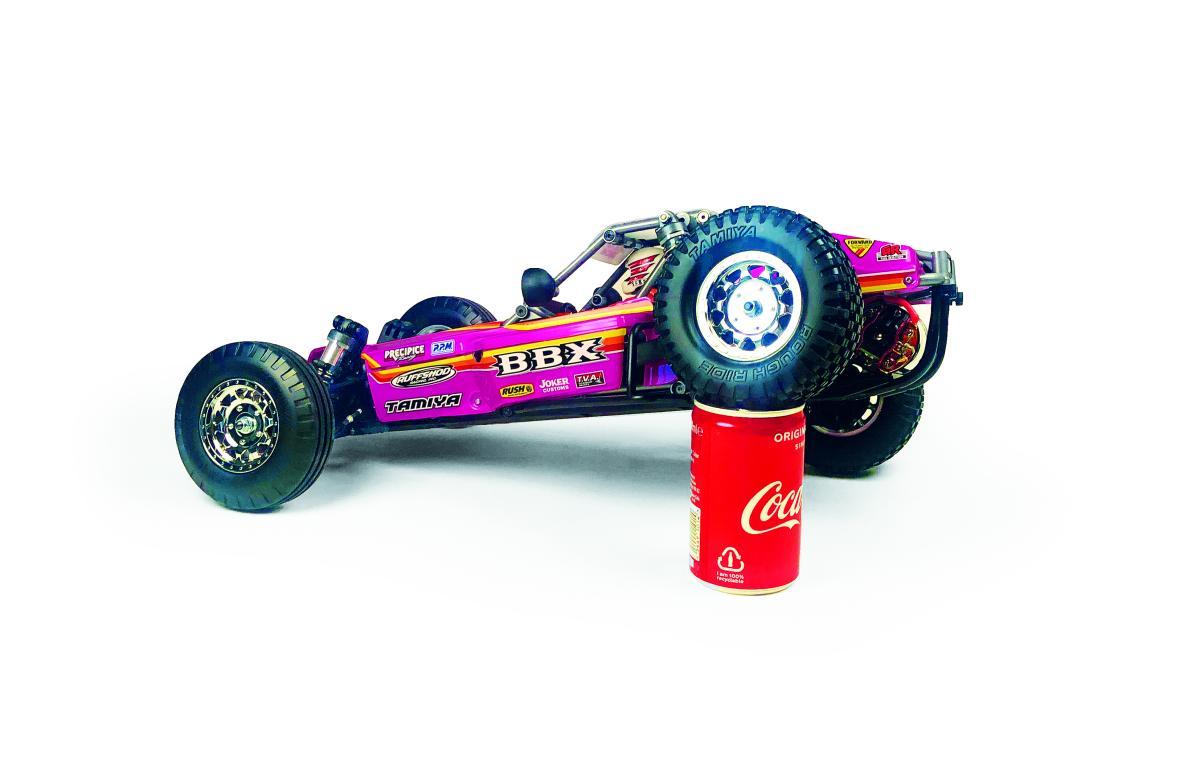
Tamiya has done it again and developed a completely new buggy chassis: the BB-01. In recent years, Tamiya has been delighting its fans with numerous reissues of RC classics, bringing many a model builder’s childhood dream back to the workbench.
The new 2WD BBX buggy combines classic design elements with modern suspension and drivetrain technology in a model inspired by the single-seat racing buggies popular in America. So let’s take a closer look at what lies beneath the kit’s beautiful polycarbonate shell.
Neo-vintage with rear-wheel drive: the BBX on chrome wheels
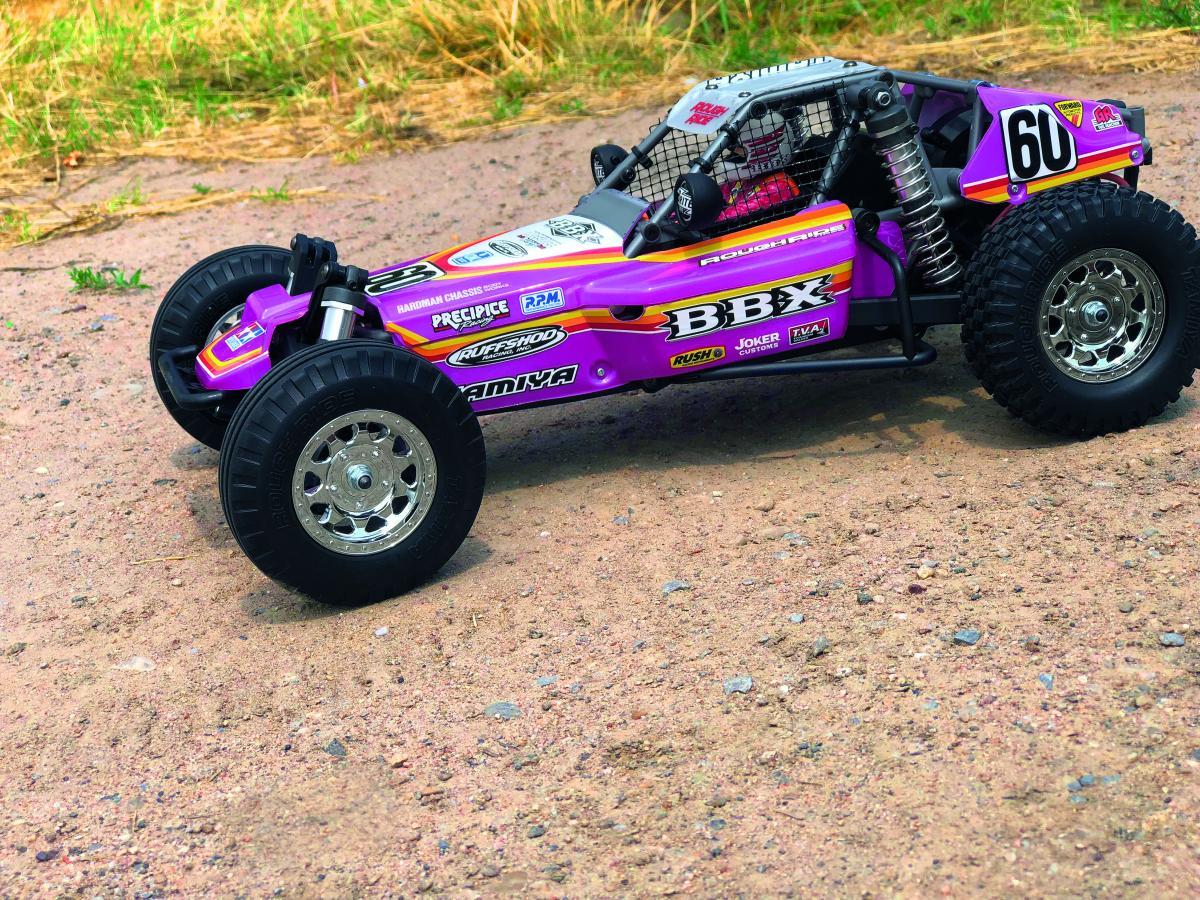
“The designers in Shizuoka have put a rear-wheel-drive neo-vintage buggy on the road. Tamiya draws on classic design elements from the ’70s and ’80s to reimagine this desert buggy.”
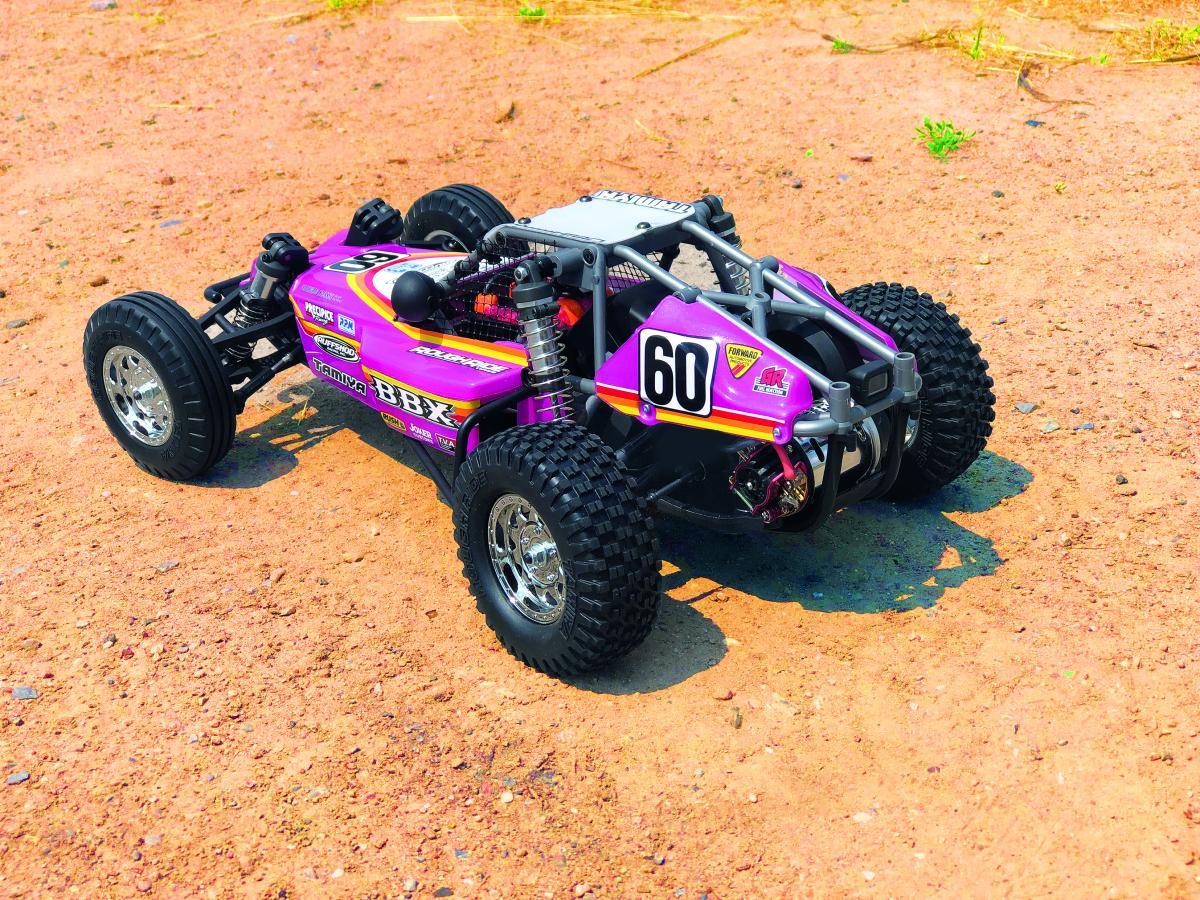
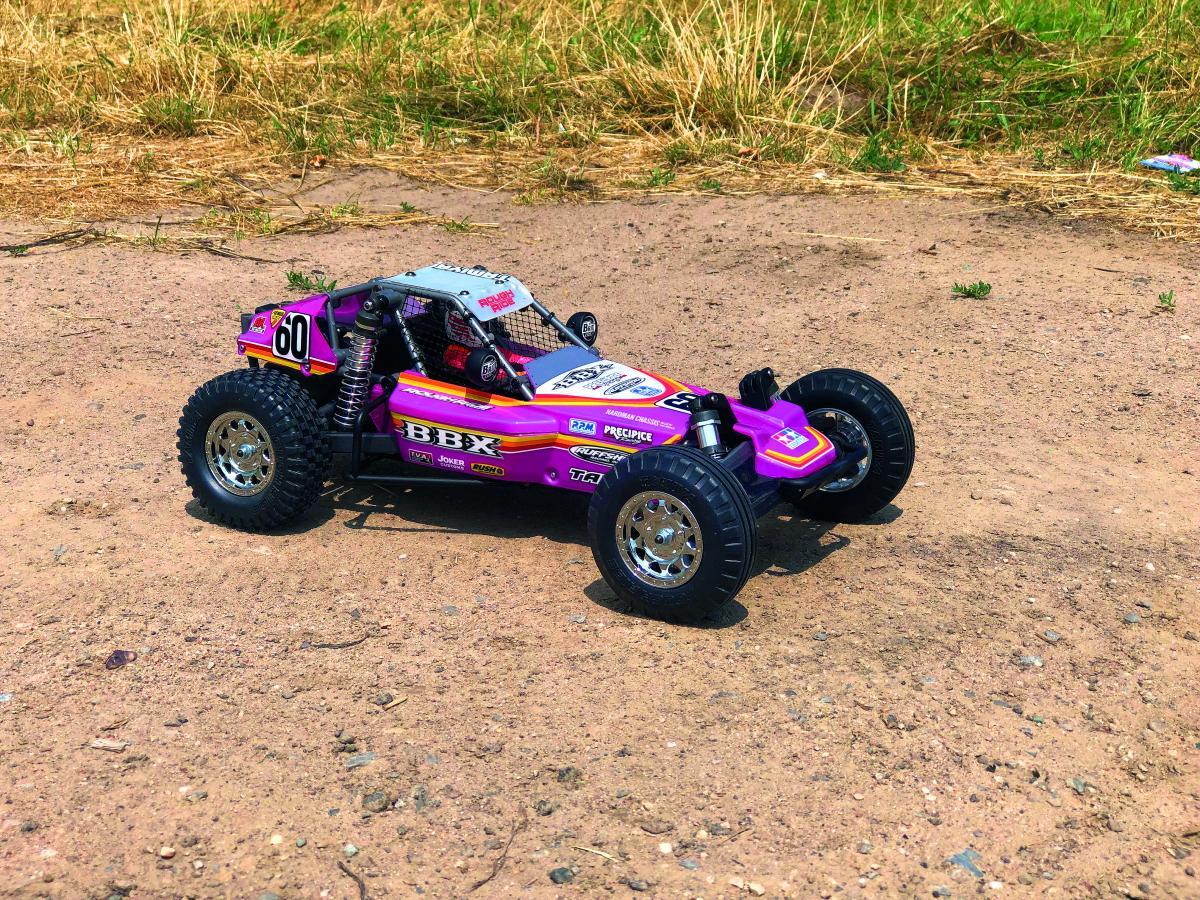
The designers in Shizuoka have really done their homework and put a rear-wheel-drive neo-vintage buggy on those beautifully chrome-plated and well-proportioned wheels. Just as VW did with the New Beetle or Fiat with the new 500, Tamiya draws on classic design elements from the ’70s and ’80s. The full-length roll cage, clad with six body panels, immediately catches the eye. The retro side bumpers, the driver figure, and the numerous lights also contribute to this look.
The appealing graphics and color scheme by graphic designer Atsushi Arino draw a direct line from the legendary Rough Rider buggy of the late 1970s to the present day. As a nod to this, there’s a bold “ROUGH RIDE” sticker on the side panels. The high-quality graphics alone create a massive “must-have” factor for any die-hard Tamiya fan.
The Kit
When you open the kit, the first things you notice are the plastic injection-molded parts, neatly packed in plastic bags, along with a small cardboard box containing bags of screws and small parts, the clear polycarbonate thermoformed parts, and the chrome-plated rims. Rough-Ride grooved tires are used on the front, and Rough-Ride block-tread tires on the rear, each with matching foam inserts. Of course, sticker sheets and a 36-page assembly manual are also included.
New chrome rims and Rough Ride tires
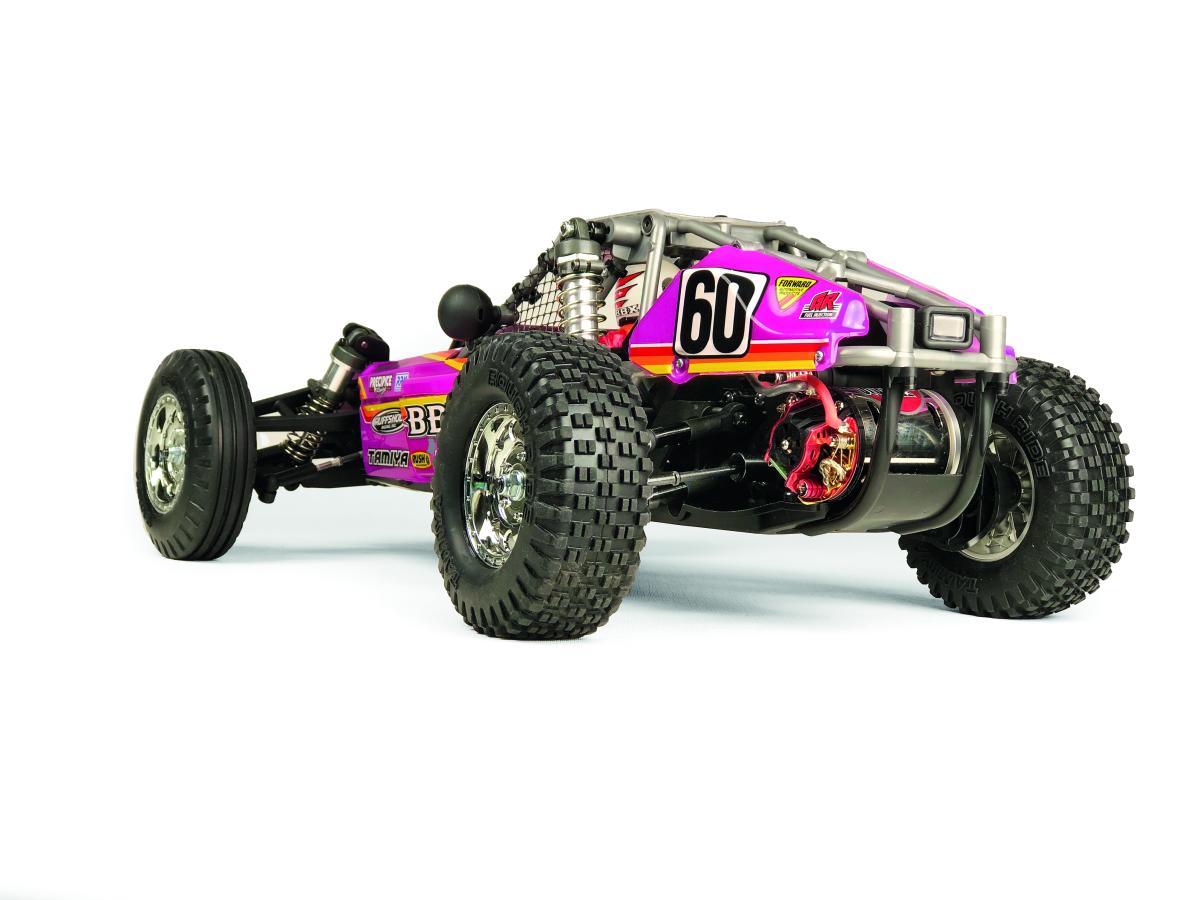
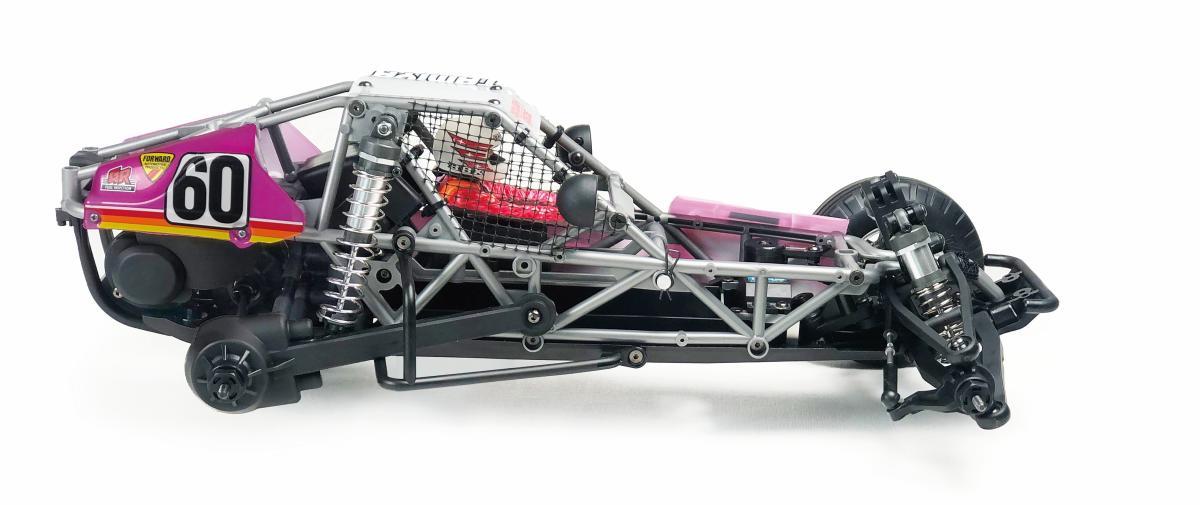
The BB-01 is a rear-wheel-drive buggy chassis with a hybrid roll cage and suspension structure that gives it a very realistic look. The sleek monocoque chassis houses the drive battery longitudinally, while the 540 electric motor is mounted transversely in the rear. This ensures optimal weight distribution and provides the rear wheels with plenty of traction. The sealed transmission features a built-in ball differential. The front suspension uses double wishbones, while the rear axle features trailing arms, complemented by high-quality aluminum oil-filled shock absorbers on all four wheels. The front tires feature a ribbed tread pattern for directional stability, while the rear tires have square spikes for high grip. The motor is easily accessible beneath the rear roll cage.
A look beneath the sleek bodywork reveals the full-length roll cage
Gearbox
Let’s open up the assembly manual and take you on a tour of the new BB-01 chassis. As usual with Tamiya, we’ll start with the drivetrain. The BBX uses a ball differential that’s very similar in design to the one found on the TRF-501X competition buggy. Like the entire buggy, the transmission comes equipped with ball bearings as standard. The differential is housed in a compact casing with an intermediate gear and the main shaft above it, to which the 86-tooth main gear with a module of 48 dp is attached. Note: The special Tamiya motor pinions are not used; instead, the standard pinion module 48 dp is used. The motor is screwed onto an aluminum plate in a sliding configuration.
The new gearbox uses a ball differential, which we've supplemented with the optional slipper clutch
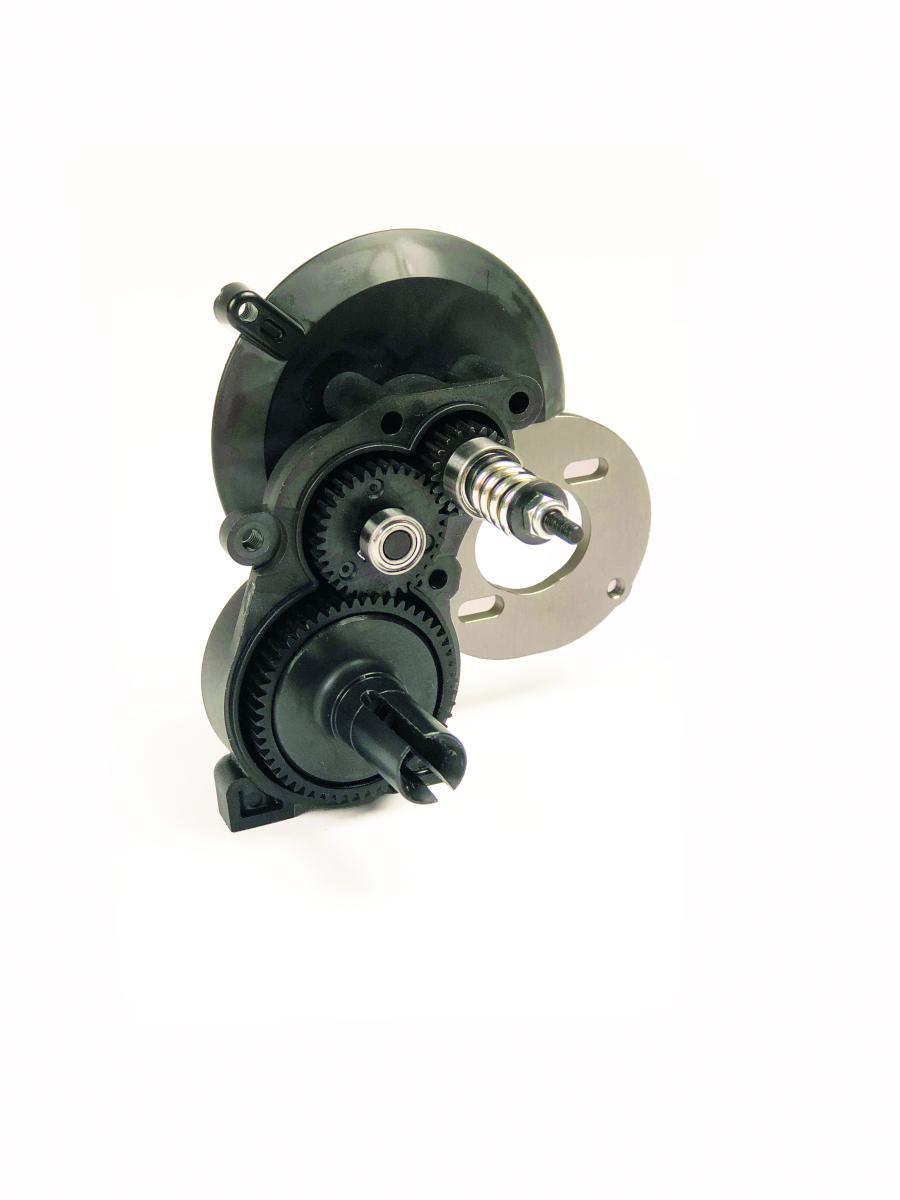
We would like to draw your attention to an optional accessory: An adjustable slipper clutch is available for the transmission, which significantly improves starting on slippery surfaces.
The transmission unit is bolted to the rear of the fiberglass-reinforced, one-piece plastic chassis. Two links are mounted in front of it to guide the control arms.
Steering
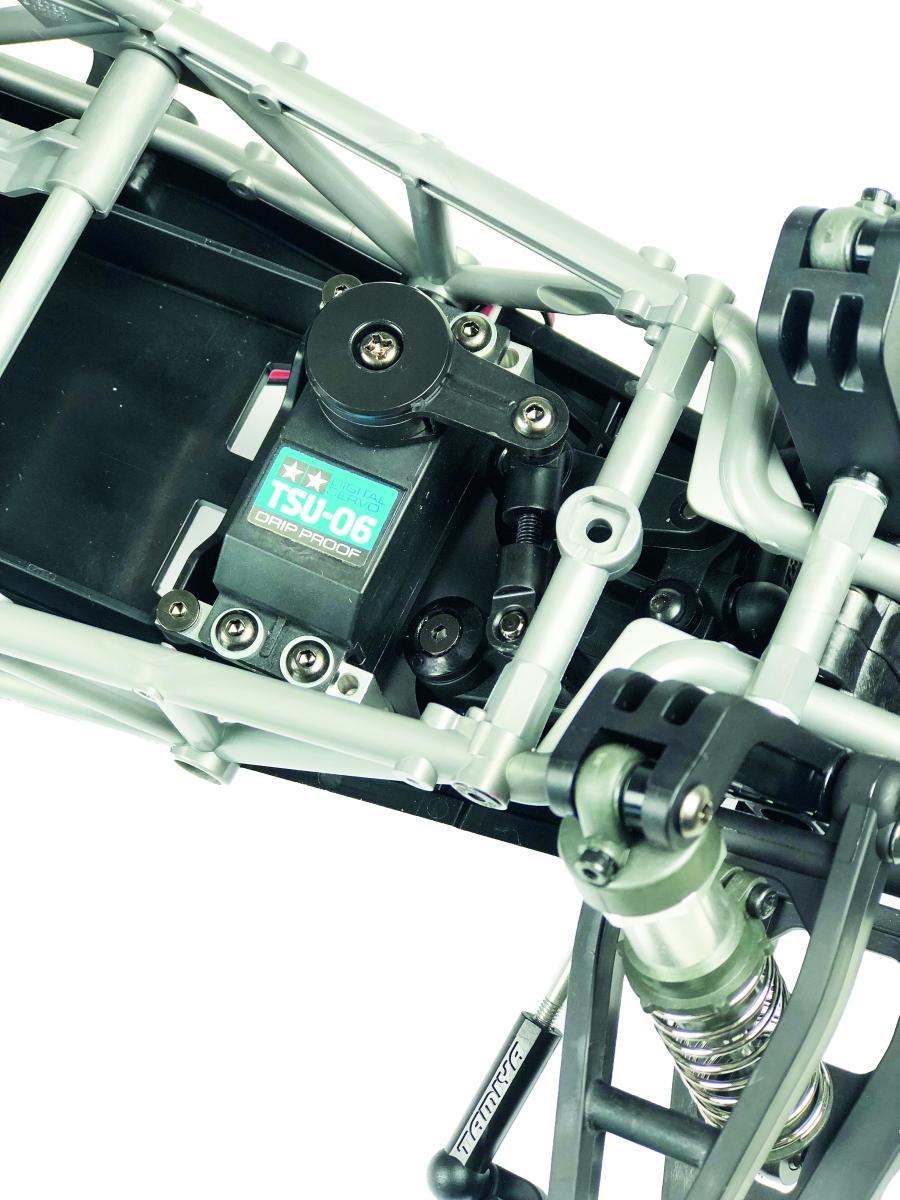
The steering system is state-of-the-art, featuring a total of six ball bearings and operating completely free of play. The low-profile steering servo is located directly behind it. Here, too, we’ve installed an optional Tamiya accessory: the aluminum servo mount provides additional reinforcement for the entire front section. The steering linkage has right-left threads, making it easy to adjust.
Tamiya TSU-06 power steering unit, with the steering mechanism featuring six ball bearings behind it
Chassis
The front suspension consists of thick, A-shaped double wishbones with a camber angle of 25 degrees. The two control arms are mounted in metal ball joints, which is why there are virtually no adjustment options on the front axle. Only the caster angle can be adjusted by five degrees using a clip.
The front suspension consists of thick, A-shaped double wishbones with a camber angle of 25 degrees
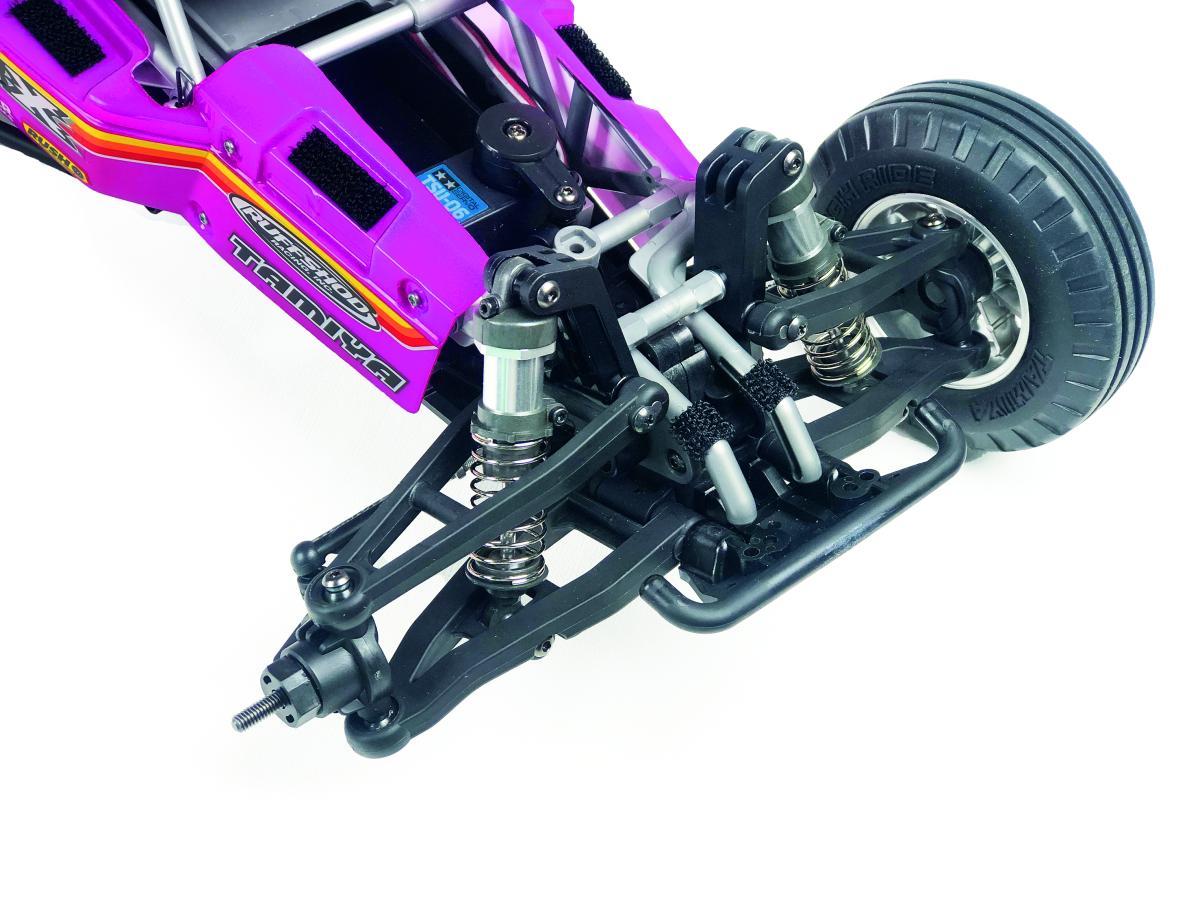
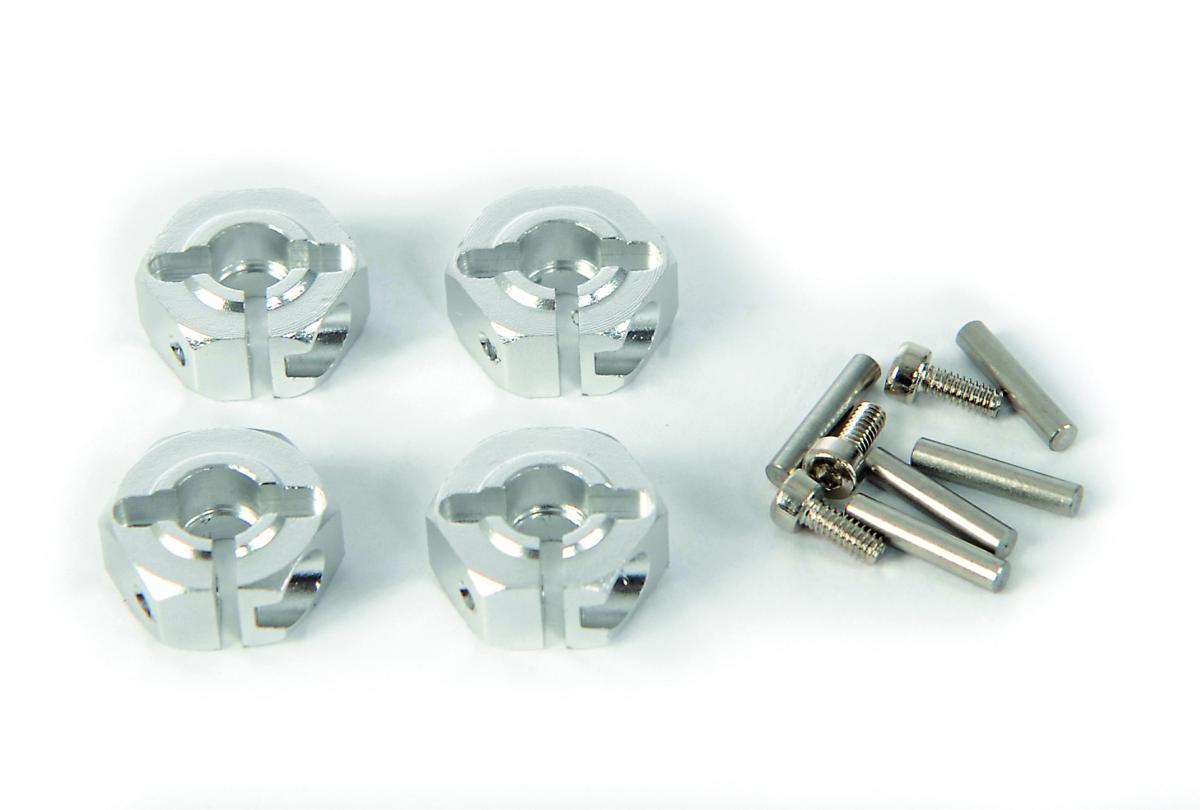
Two solid longitudinal control arms are mounted at the rear. Camber and toe can be adjusted here using washers. Steel CVD driveshafts connect the transmission to the wheel axles. The rims are mounted on 12-mm hex drive pins at the front and rear.
On the front and rear axles, the wheels run on hexagonal drive pins
New Shocks
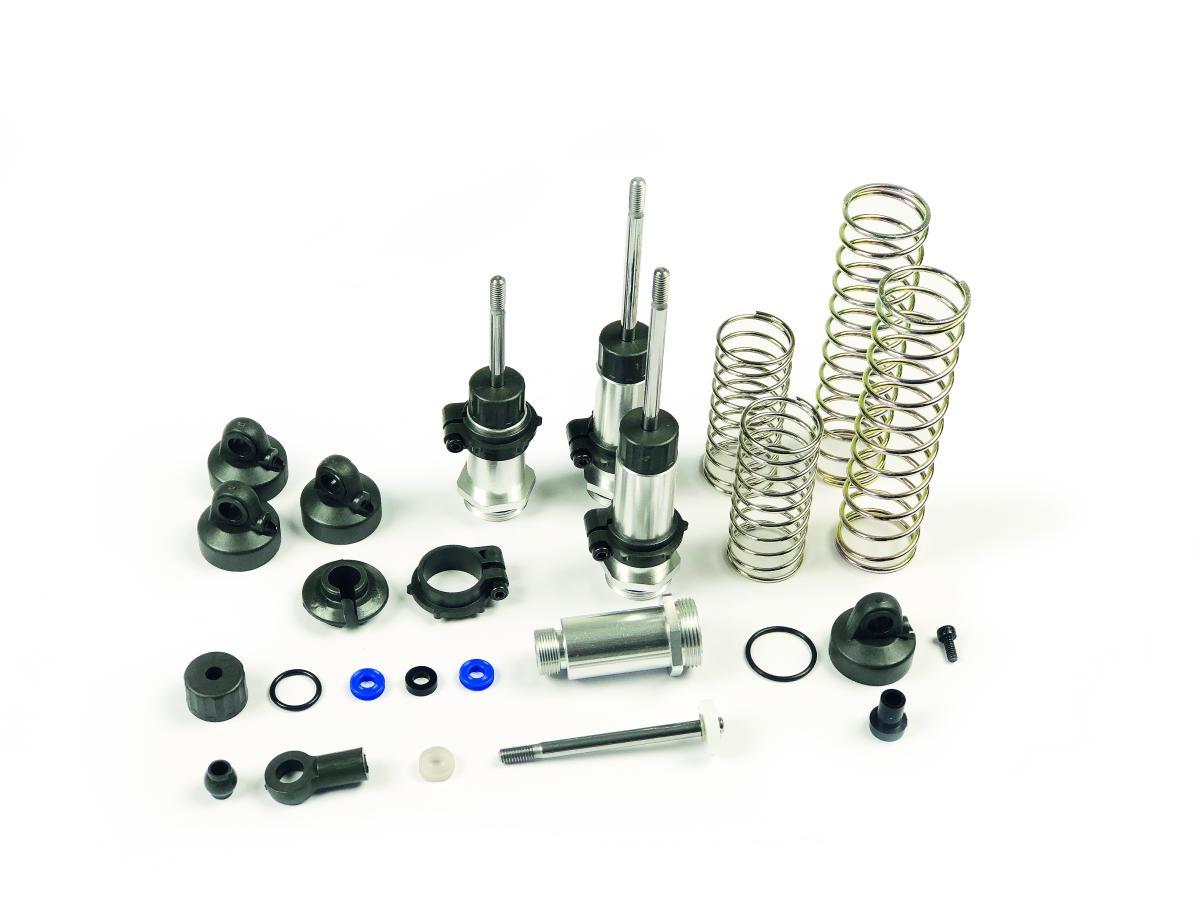
When it comes to oil-filled shock absorbers, Tamiya likes to reach for tried-and-true parts. Not so with the new BB-01 chassis: Here, the new C.V.A.-TRF oil-filled shock absorbers with aluminum housings are installed. In true vintage style, spring preload is adjusted using adjustable clamping sleeves. Each shock features two very smooth-running X-rings, and the upper and lower caps are sealed with an O-ring. A 1-mm hole must be drilled into the upper shock cap to allow the shock to vent properly.
One of the highlights of the Tamiya BBX is its new aluminum shocks
Bodywork
The central design element of the BBX is the continuous roll cage made of gray plastic. It encloses the engine, transmission, driver's cab, and front end. The body design is by Atsushi Arino and consists of several polycarbonate parts, some of which are bolted together or can be quickly opened with Velcro.
To access the engine and pinion, loosen a few screws and fold the rear roll cage forward
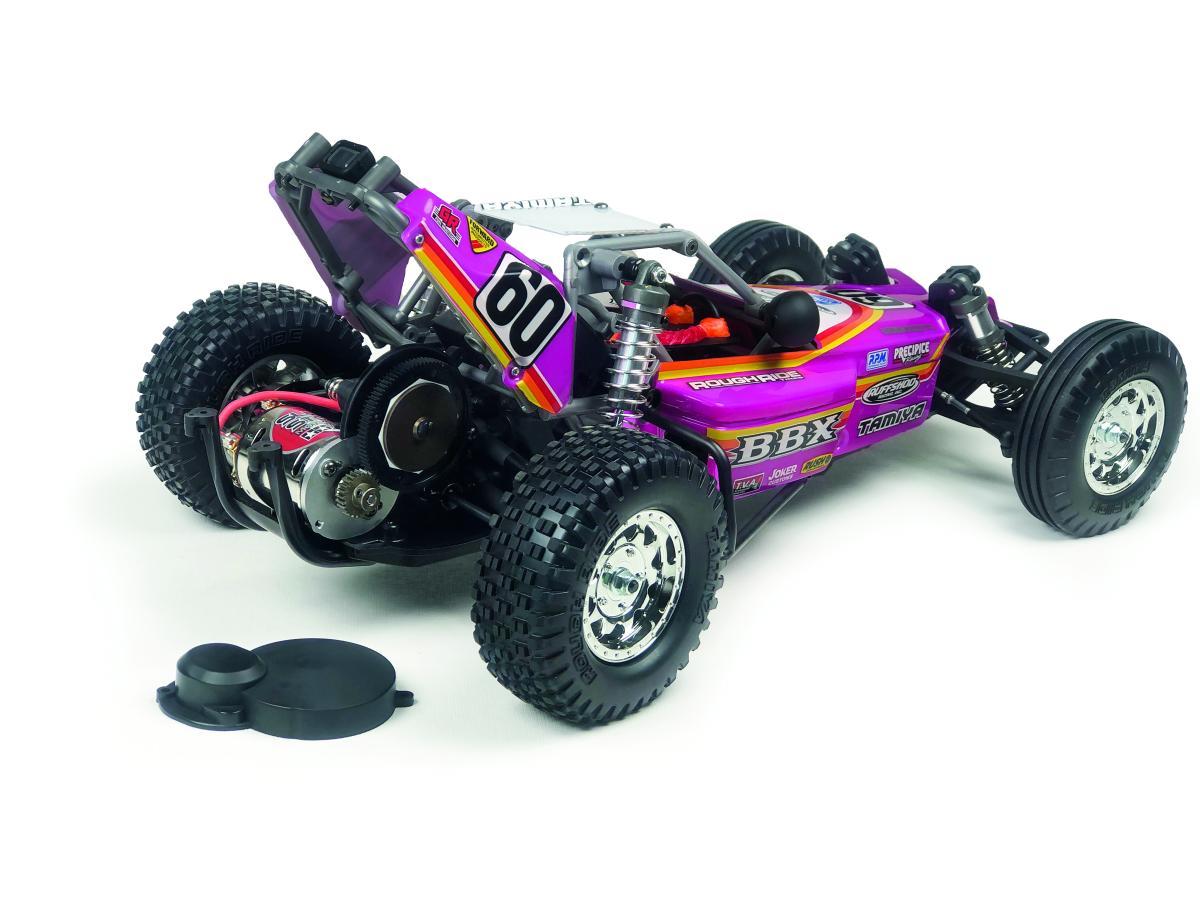
To replace the battery, lift the upper body—it is secured with Velcro. Then remove an aluminum bolt, and the inner cage can be swung upward to expose the battery.
To replace the battery, an aluminum bolt is removed, and the inner cage swings upward
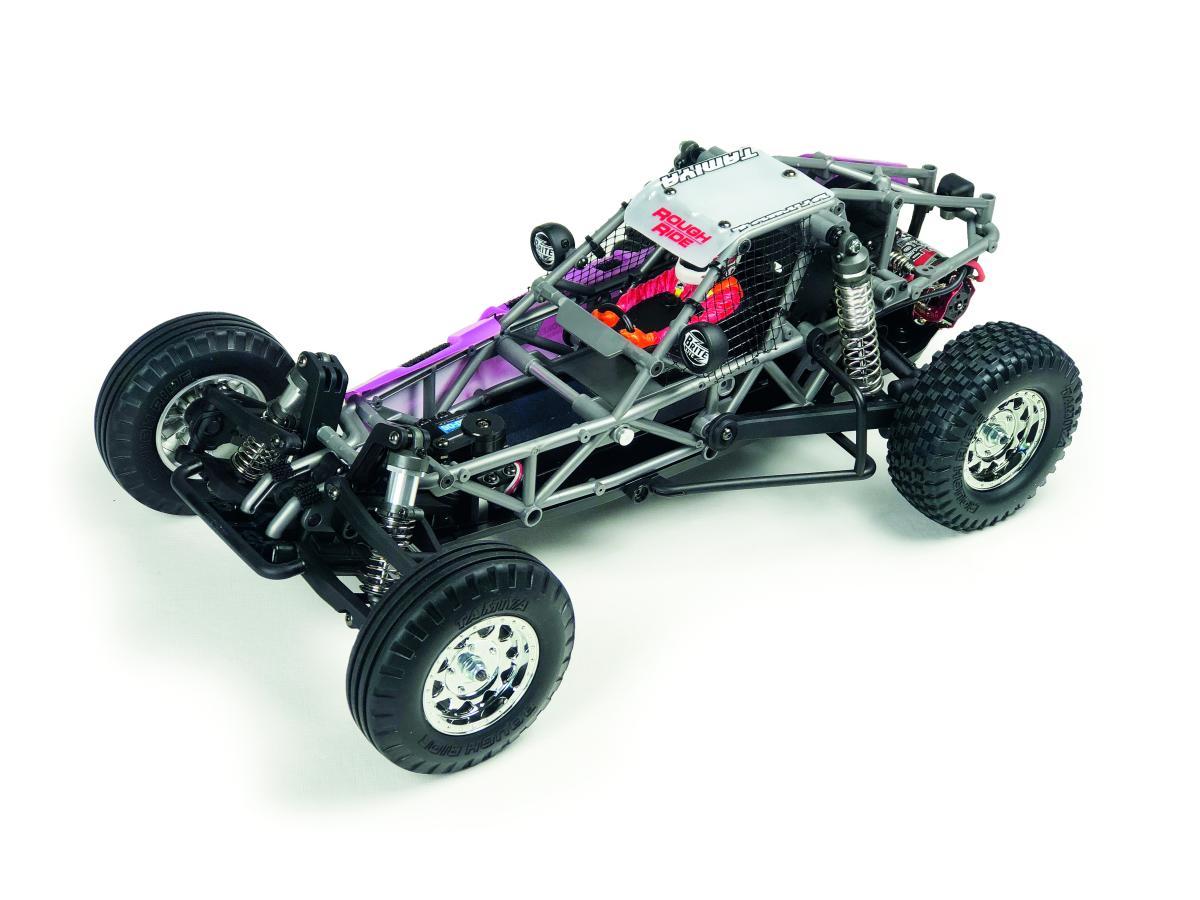
The kit includes a multi-piece driver figure, a total of eight headlights, and safety nets. The decal sheet by Atsushi Arino is a true work of art and perfectly captures the feel of the California desert in the style of the ’80s. In addition to the No. 45 decal, additional number decals are included, allowing you to choose any two-digit race number.
Test Drive
We've installed the following equipment in our BBX: Steering is handled by the Tamiya TSU-06 low-profile servo, speed is controlled by the Tamiya TBLE-02-S speed controller, and the buggy is powered by a Tamiya Super Stock RZ motor and an Absima 2S LiPo battery. The TBLE-02-S has an undervoltage protection feature, and it worked fine for us with the LiPo battery. However, you should be sure of what you’re doing when programming the speed controller!
The first test drive took place on the lawn behind our house. The BBX seemed surprisingly fast and very agile.
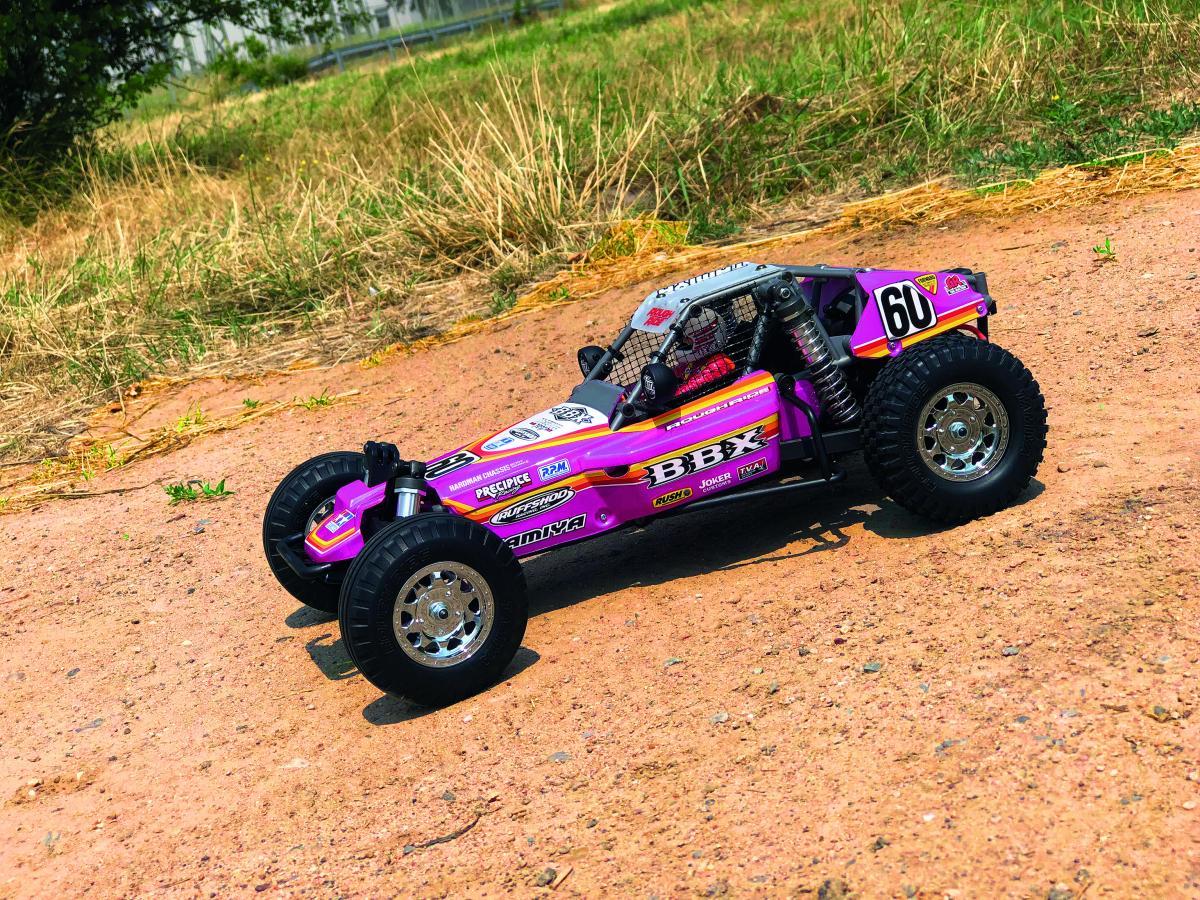
Then we headed to one of the most beautiful 1:10 buggy dirt tracks in Germany, the EDC-Kinzigtal in the Black Forest: a medium-speed track with jumps and a “wall.” The BB-01 chassis felt right at home with the modular setup. The buggy sits firmly on the track and flies over the jumps with excellent balance. The steering also impresses with its great agility on the clay track. The rear axle is outstanding: the trailing-arm design generates plenty of traction and allows the buggy to lap at an astonishingly fast pace.
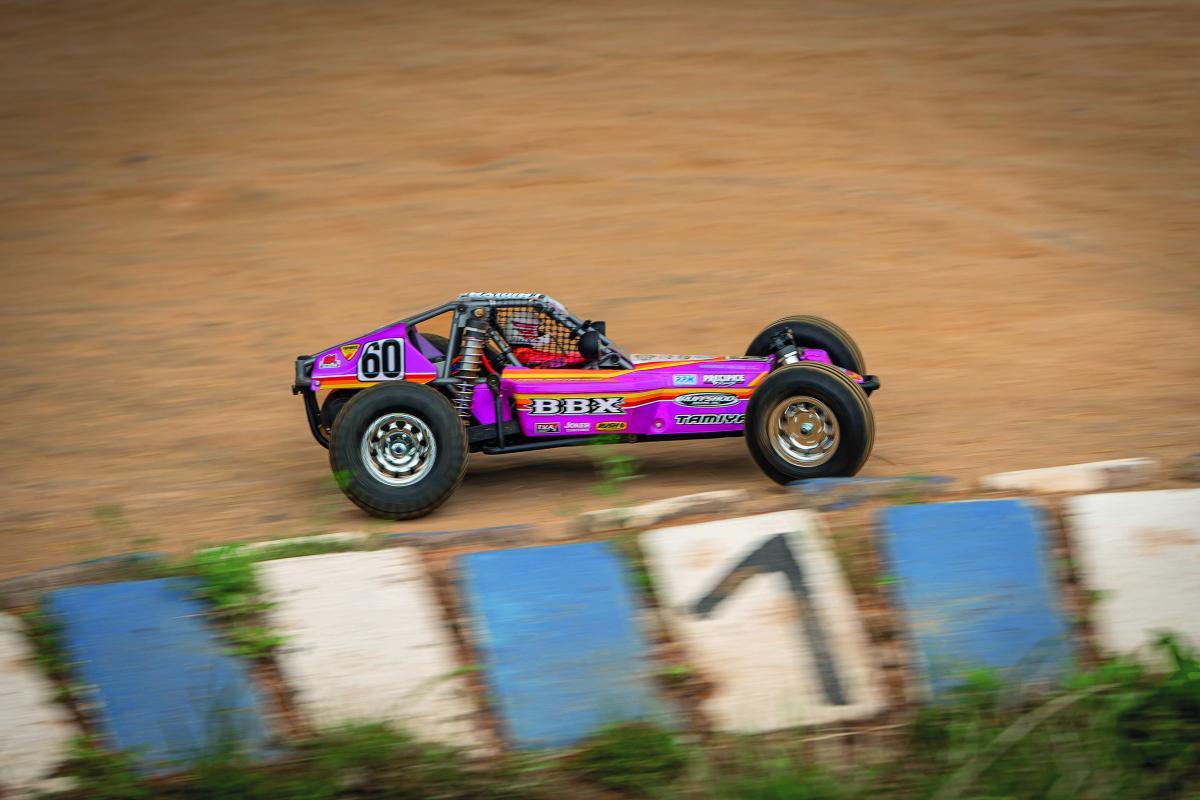
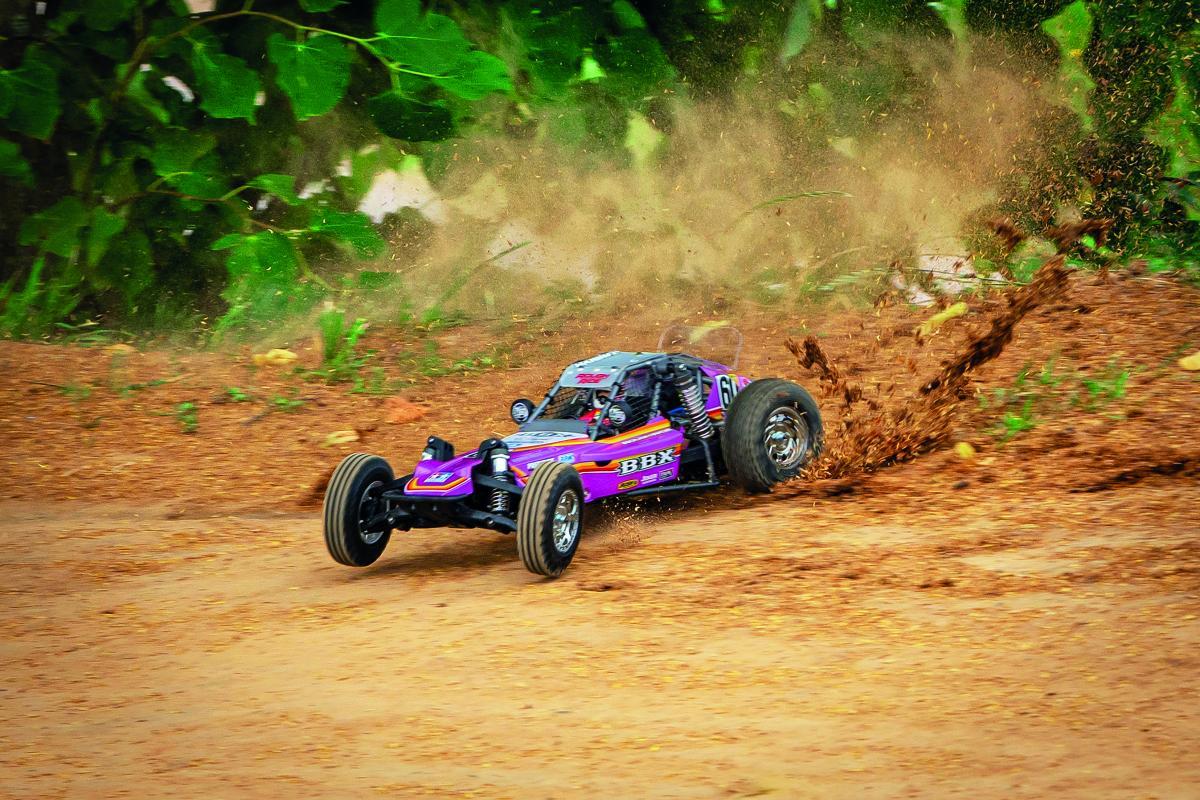
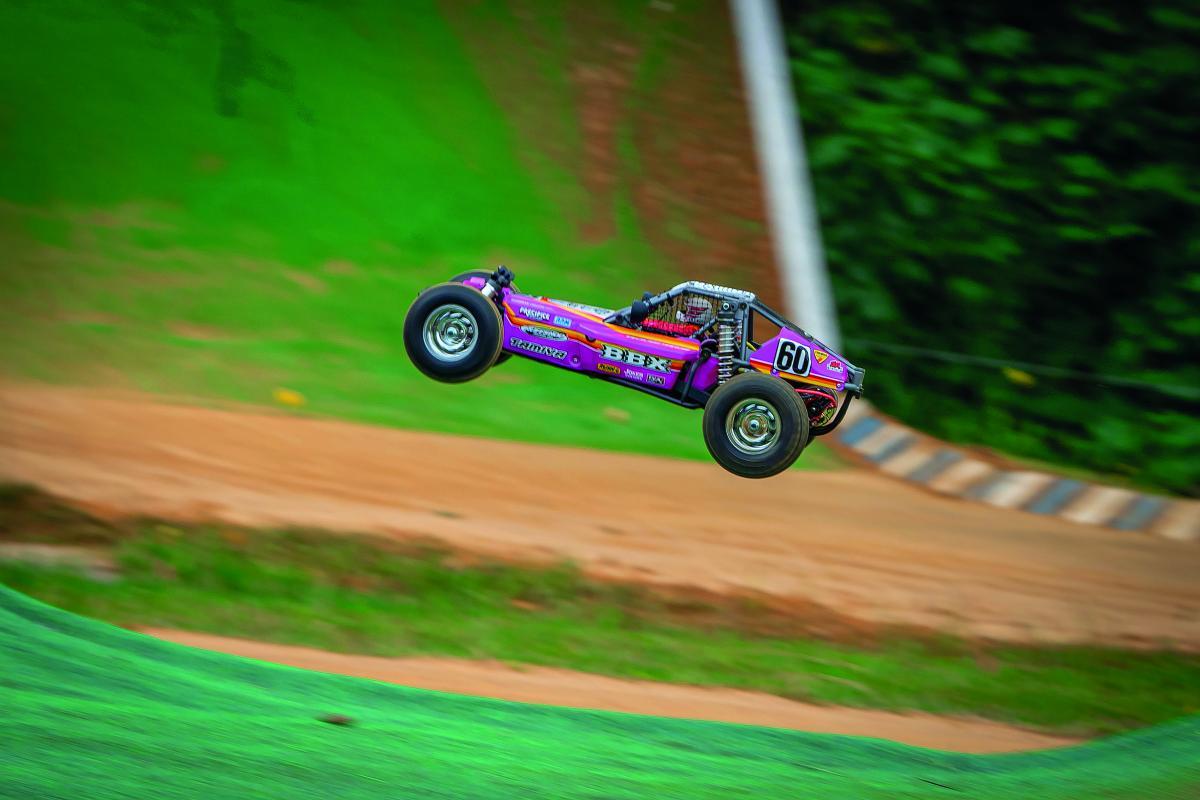
Next up was a comparison test with a current competition car. Both buggies were equipped with identical Proline competition tires for clay tracks and a 13.5-T brushless motor. We added a rear spoiler to our BBX, and then we were off. Each tester first ran three battery packs with his car, and then we swapped cars for two more battery packs. In the end, both cars posted identical lap times, accurate to the nearest tenth of a second.
The BBX in a direct comparison with a current competitor's buggy
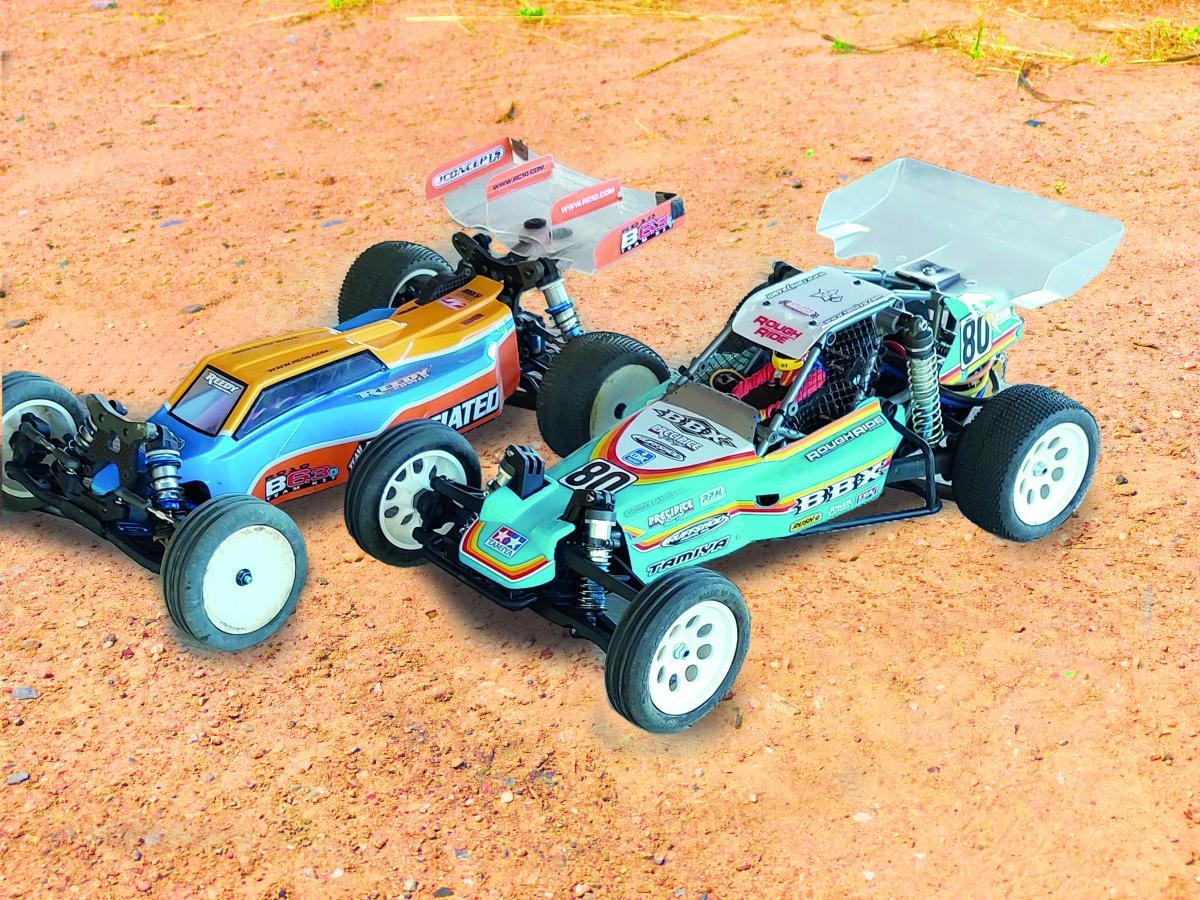
Even so, the BBX—with its original shock oil—wasn’t yet optimally tuned for the track. Overall, it was a bit too soft, especially up front. Still, it was absolutely in its element and really fast on the clay track. “Does Tamiya even know how well the BBX really performs?” was the conclusion of the test day.
Conclusion
The BBX is a 1:10-scale 2WD dune buggy featuring the new BB-01 monocoque chassis. Its look takes you back to the wild 1980s. The features are worth every euro: The kit is fully ball-bearing equipped, the transmission with the TRF ball differential works well, and the new C.V.A.-TRF oil-pressure shock absorbers with aluminum housings impressed us across the board. Its superb handling suggests that Tamiya has once again achieved a milestone with the BBX. Highly recommended!
All shafts are mounted in sealed ball bearings; the motor is easily accessible under the rear cage.