
Tamiya TOYOTA SUPRA JZA80 BT-01 Chassis
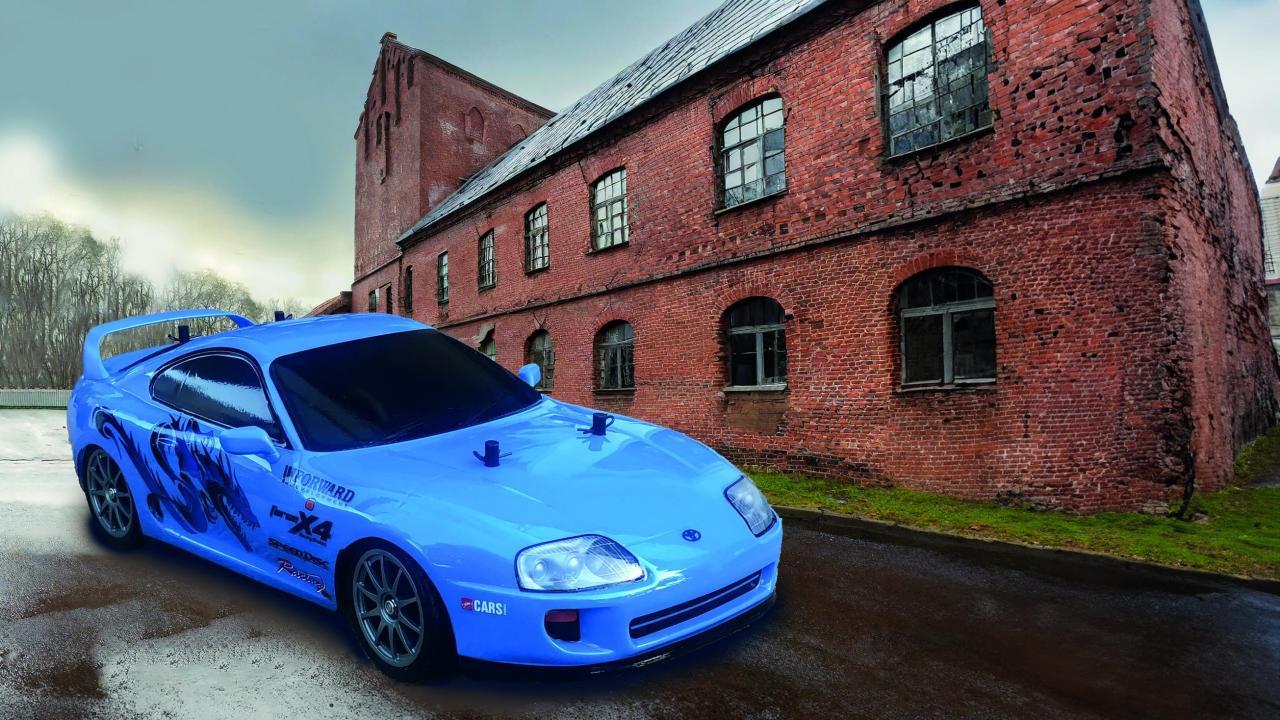
Tamiya unveiled the new BT-01 chassis at this year’s Nuremberg Toy Fair. True to the motto: “Give us model builders something new.” We’re talking about a 2WD chassis that can be built in three different drivetrain configurations. For a rear-wheel-drive vehicle, you can choose between a front (FR) or mid-rear (MR) motor position. Front-wheel drive with the motor positioned at the front (FF) is also possible. The BT-01 platform is paired with a stunning fourth-generation Toyota Supra (JZA80) body. So let’s discuss in this article everything the new 1:10-scale BT-01 kit has to offer.
Tamiya kits typically come with a basic configuration that includes an electronic speed controller and a 540-class motor. In addition to your modeling tools, you’ll also need: a radio control system with a receiver, a steering servo, a 7.2V NiMH battery pack, a compatible charger, and paint for the body. Tamiya’s assembly instructions are clearly organized into step-by-step instructions and help even beginners complete the kit.
Body
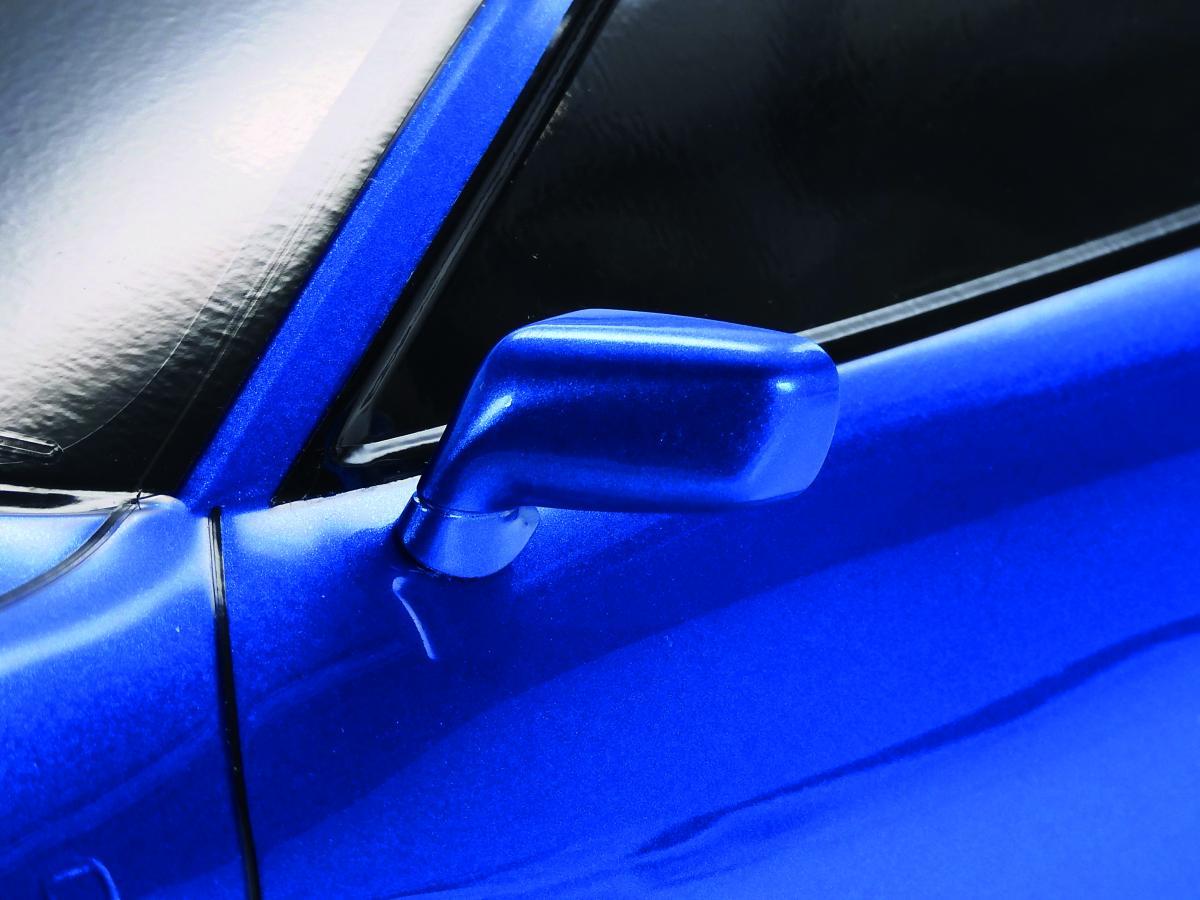
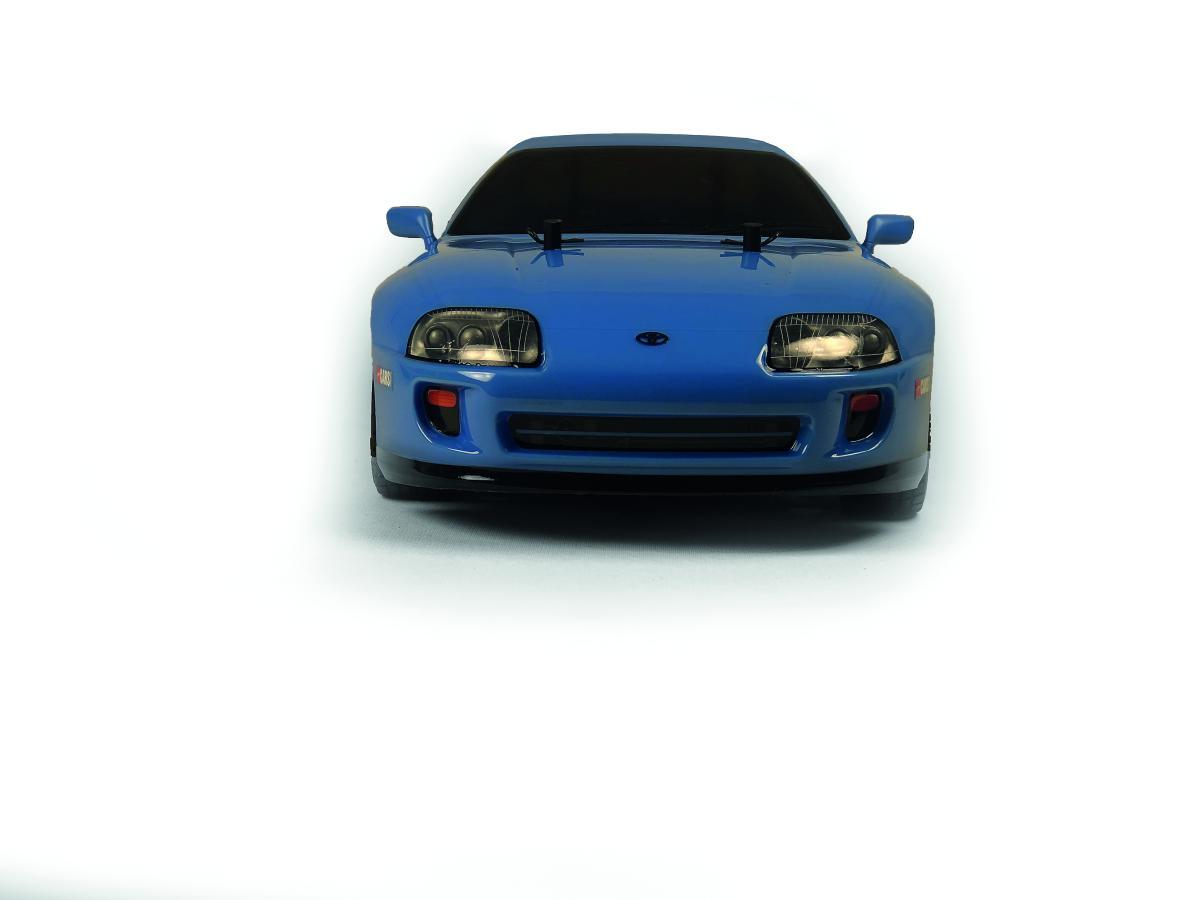
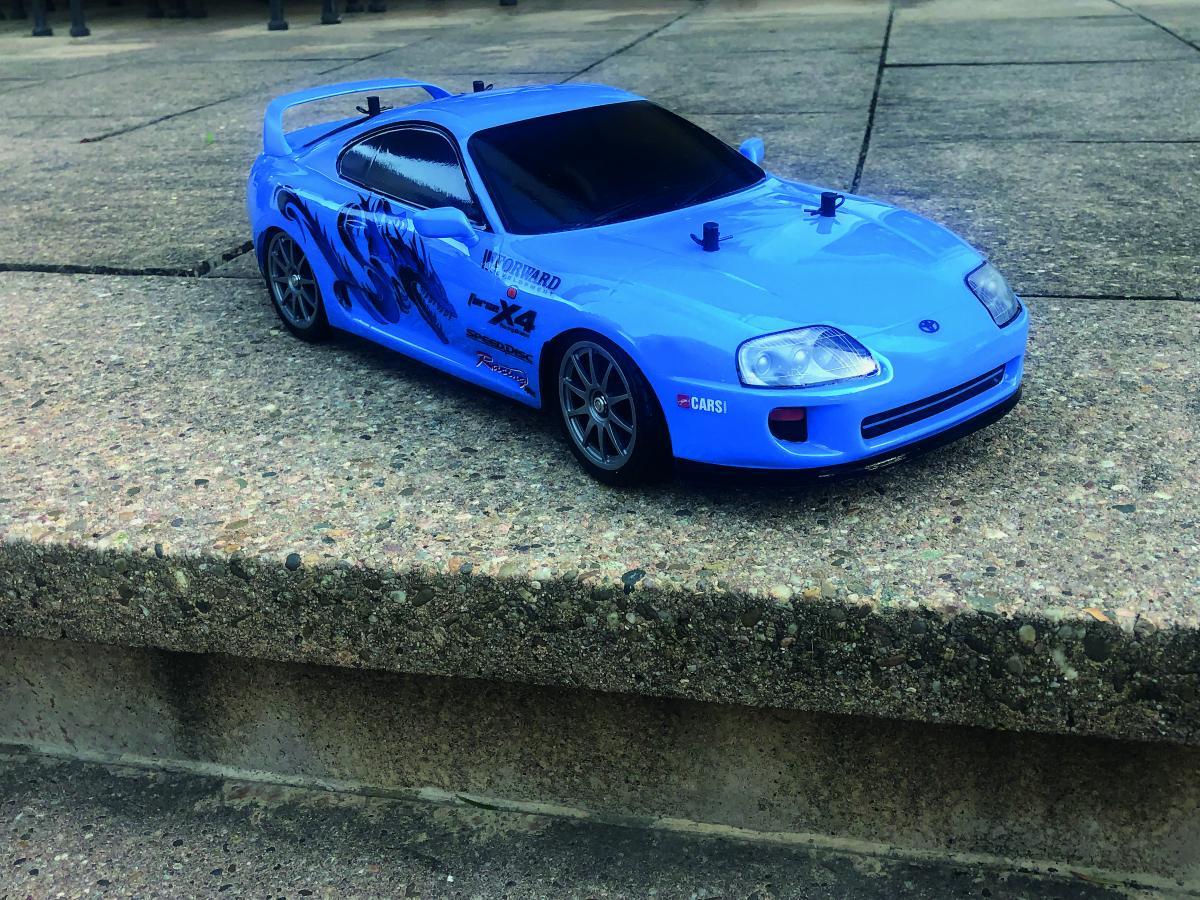
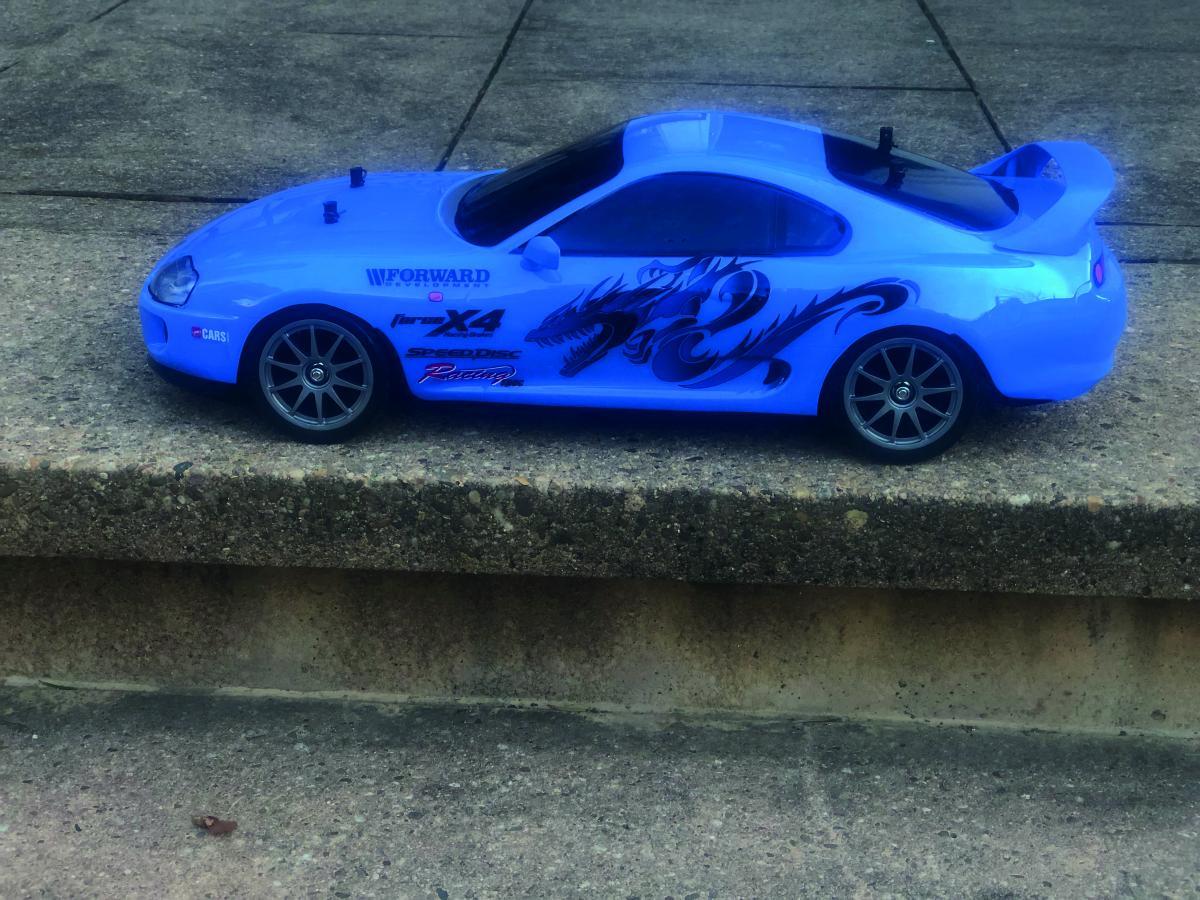
Let’s start by taking a look at the Supra body this time. Tamiya is known for its highly detailed bodies. The body included in the kit represents the fourth-generation Toyota Supra (JZA80), which was announced in 1993 as Toyota’s flagship sports car. Its top-of-the-line RZ model featured a 3-liter twin-turbo inline-six engine producing 280 PS, a 6-speed transmission, 4-wheel double-wishbone suspension, and ventilated disc brakes front and rear. Its muscular design and immense power captivated fans around the world and led to successes in motorsports, including road racing and drifting.
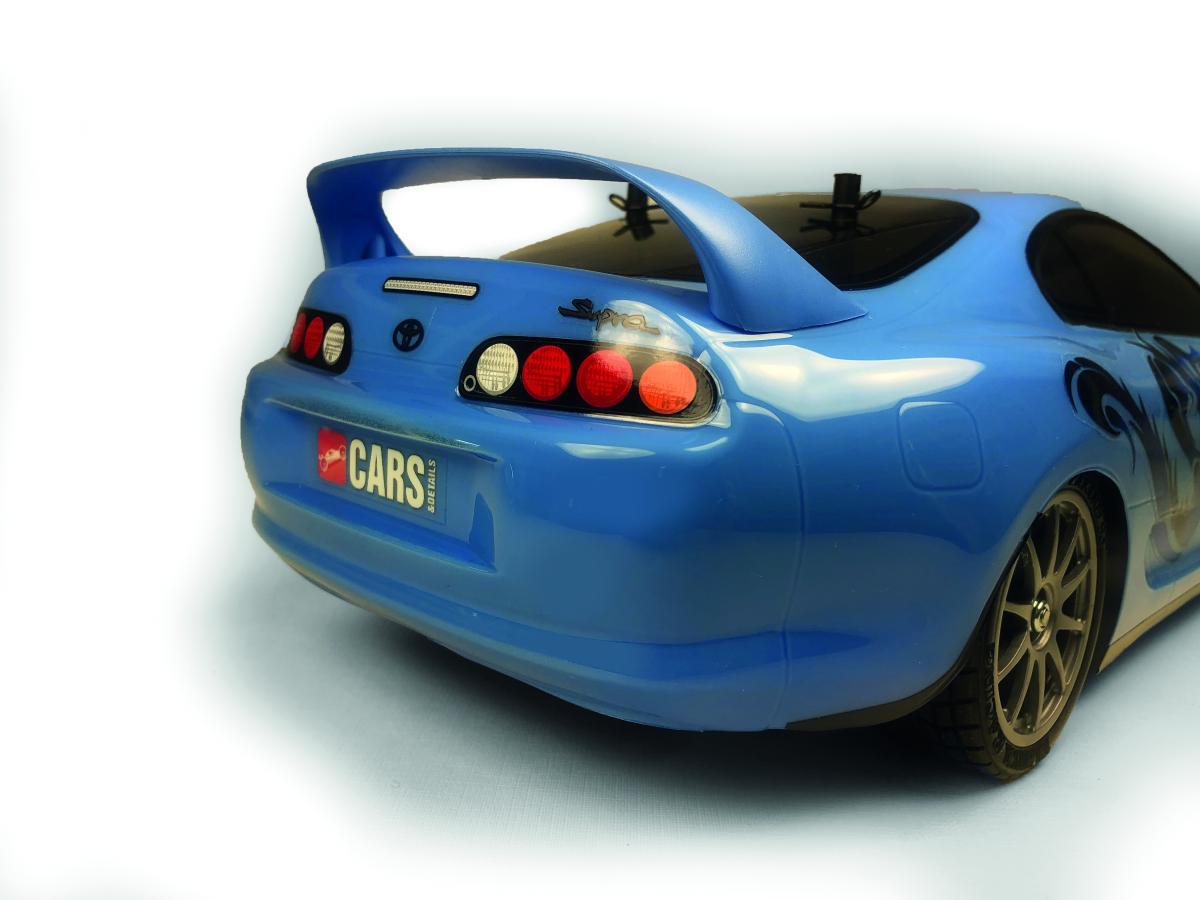
The Toyota Supra turns heads with its long hood and large rear wing. The Japanese dragon is ready for the sprint.
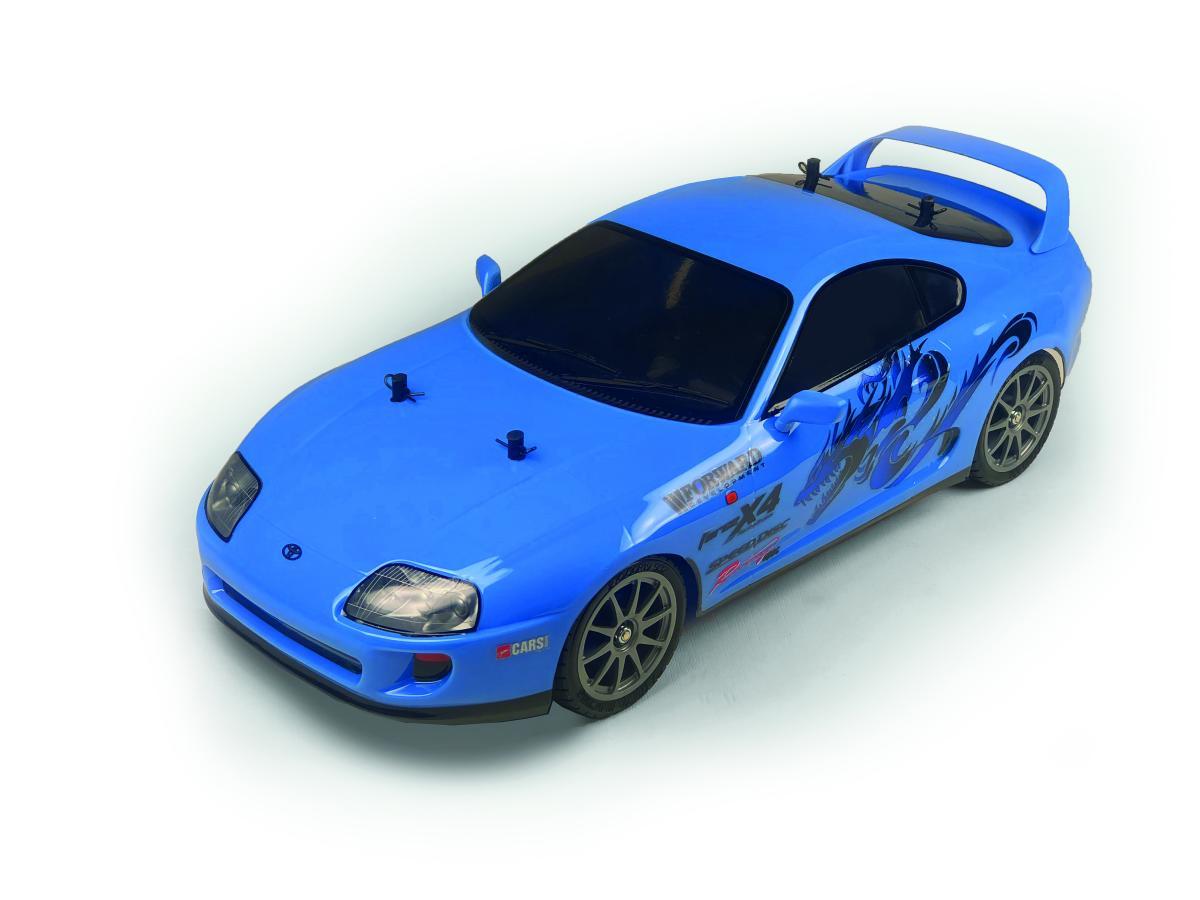
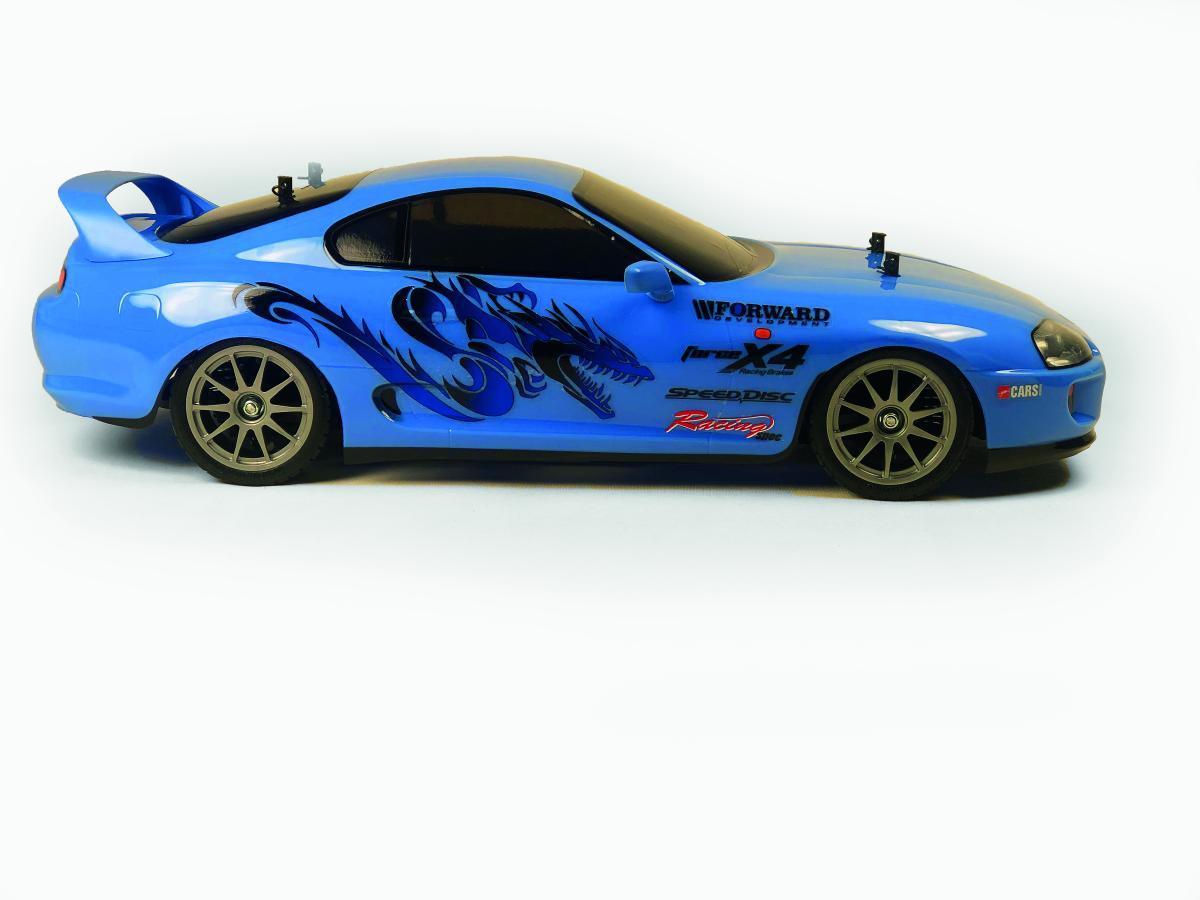
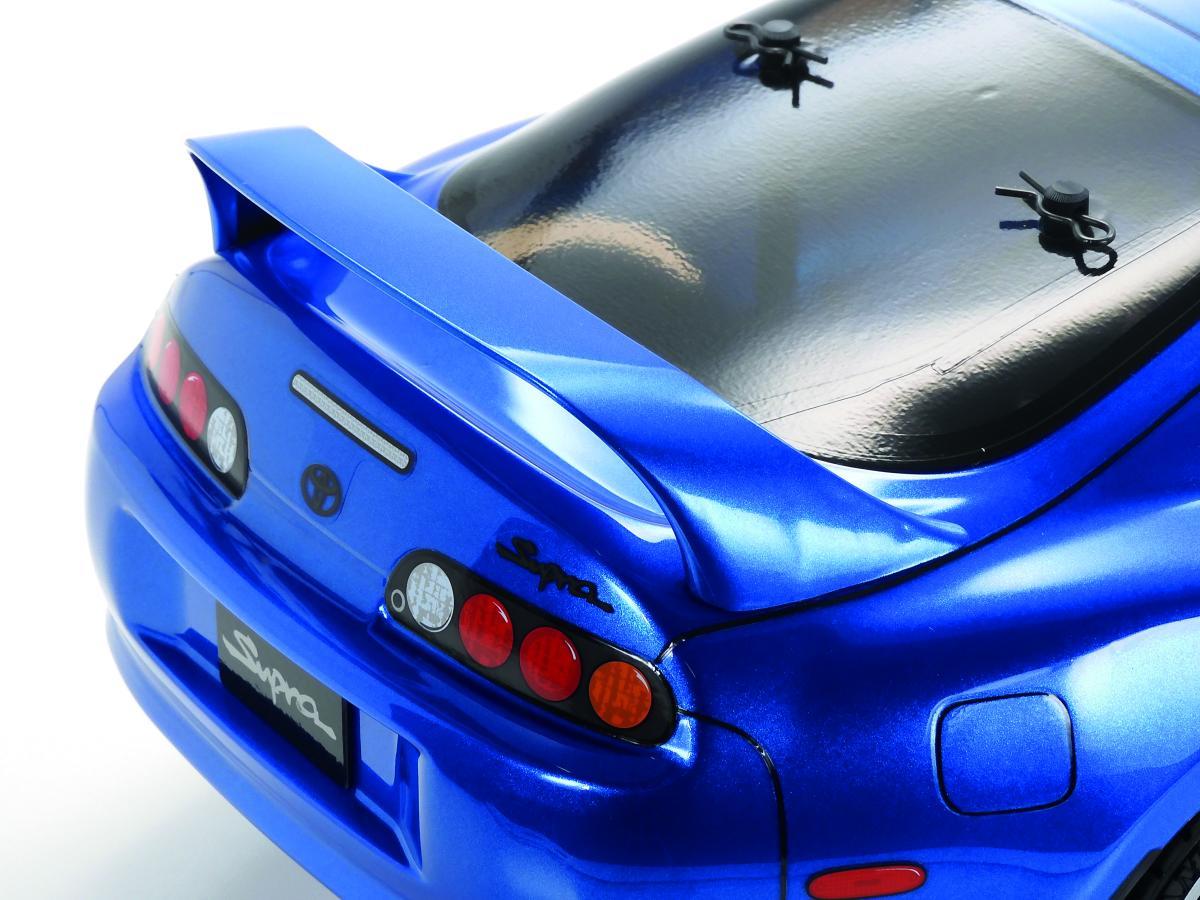
The clear polycarbonate body still needs to be cut out and painted to your liking. Window and headlight masks are included in the kit. As is typical for Tamiya, the decal sheet is already pre-cut. Also included are the large rear wing, side mirrors, and front light inserts. To match, the kit comes with one-piece, silver 10-spoke wheels with radial tires without inserts.
BT-01 Chassis
The TAMIYA BT-01 chassis is a beginner-friendly chassis that offers six different drivetrain and chassis configurations. The wheelbase can be set to either 257 mm or 251 mm. Furthermore, the chassis is modeled after the drivetrains of real cars and can be built as a front-engine or mid-engine configuration with front-wheel drive or rear-wheel drive.
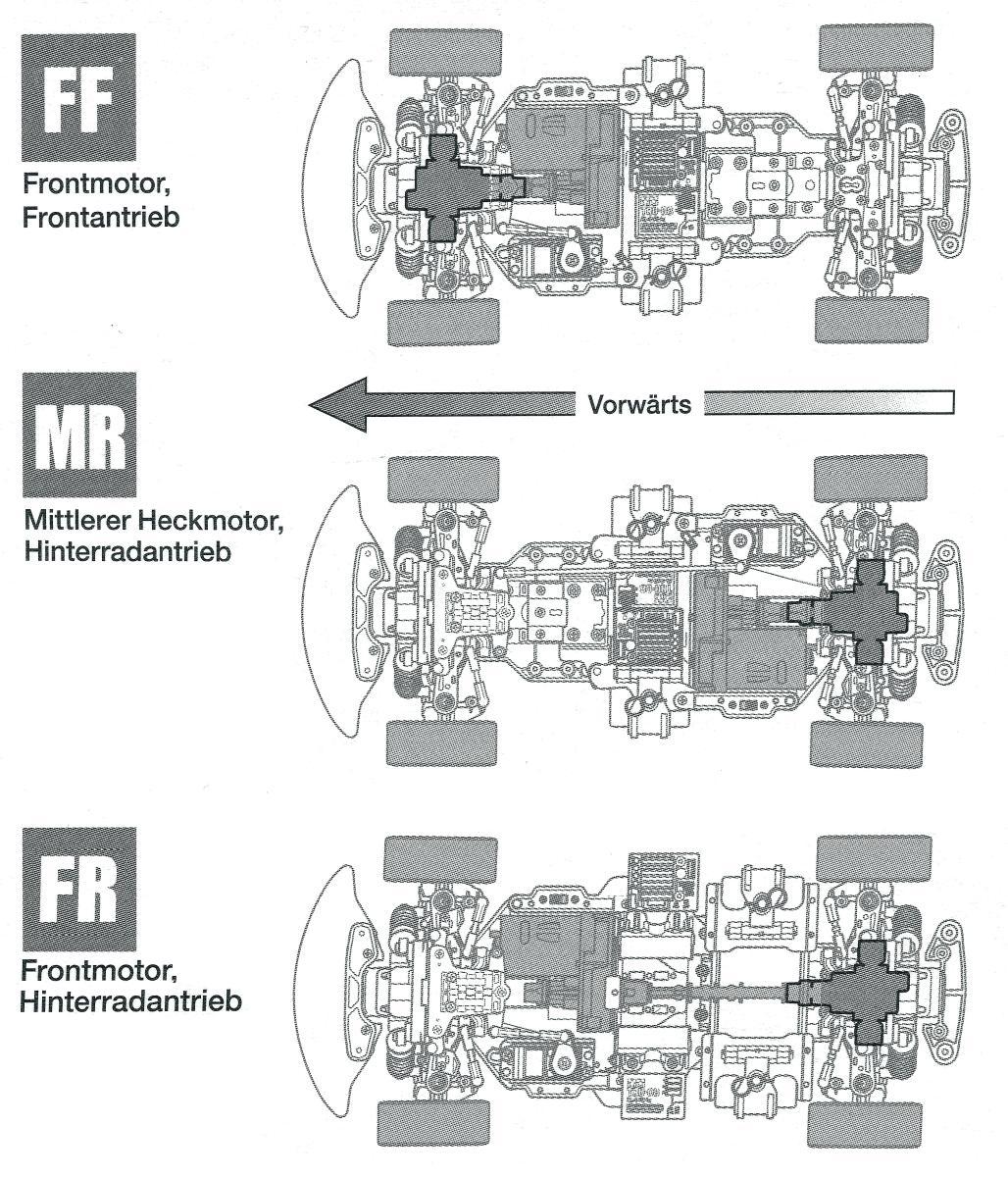
We are building the MR variant of our Toyota Supra—that is, rear-wheel drive, with the engine mounted mid-rear and a wheelbase of 257 mm.
The 540 engine is mounted in front of the rear axle, connected longitudinally to the enclosed main gear (70 T). Engine power is transmitted via a short plastic propeller shaft to a solid bevel differential, and sturdy shafts connect the differential to the drive shafts in the rear steering knuckles.
The BT-01 Chassis's Rugged Bevel Gear Differential
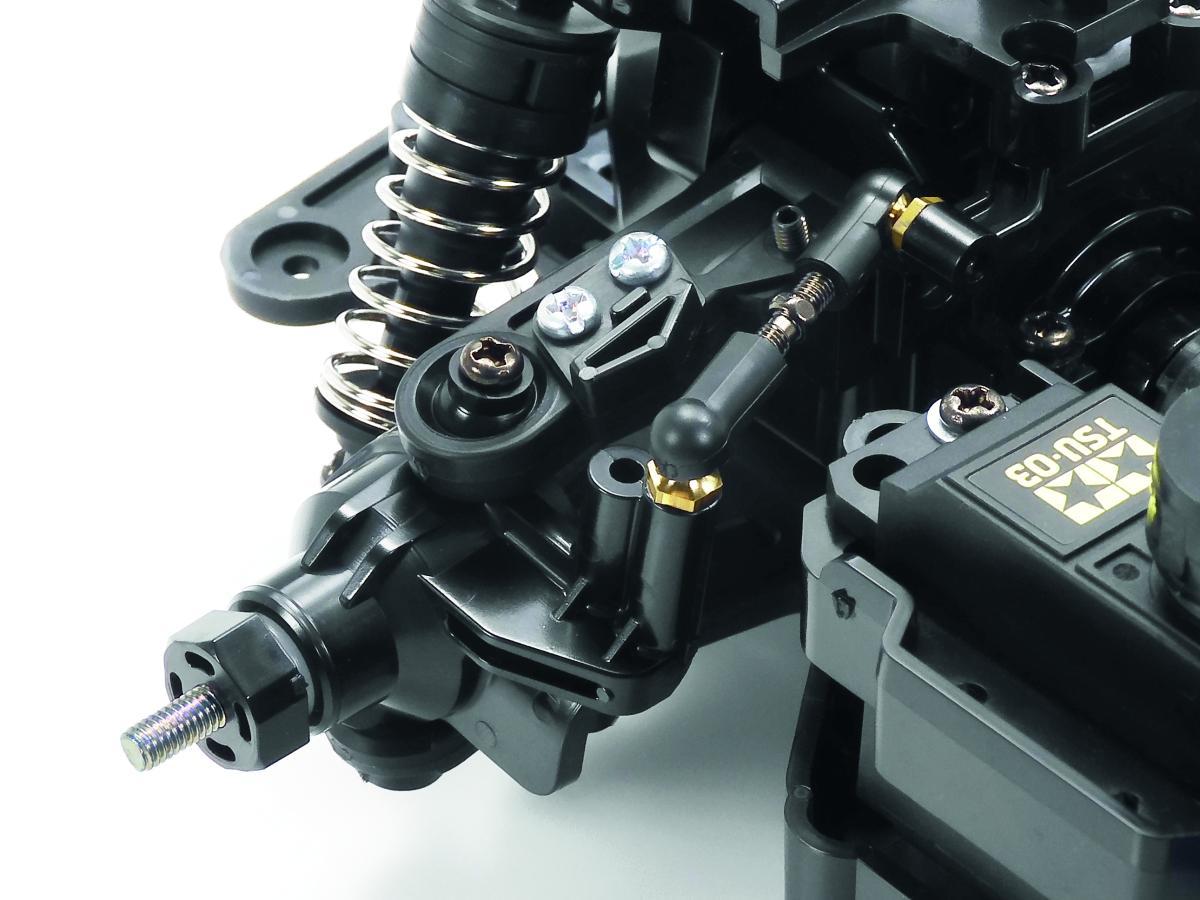
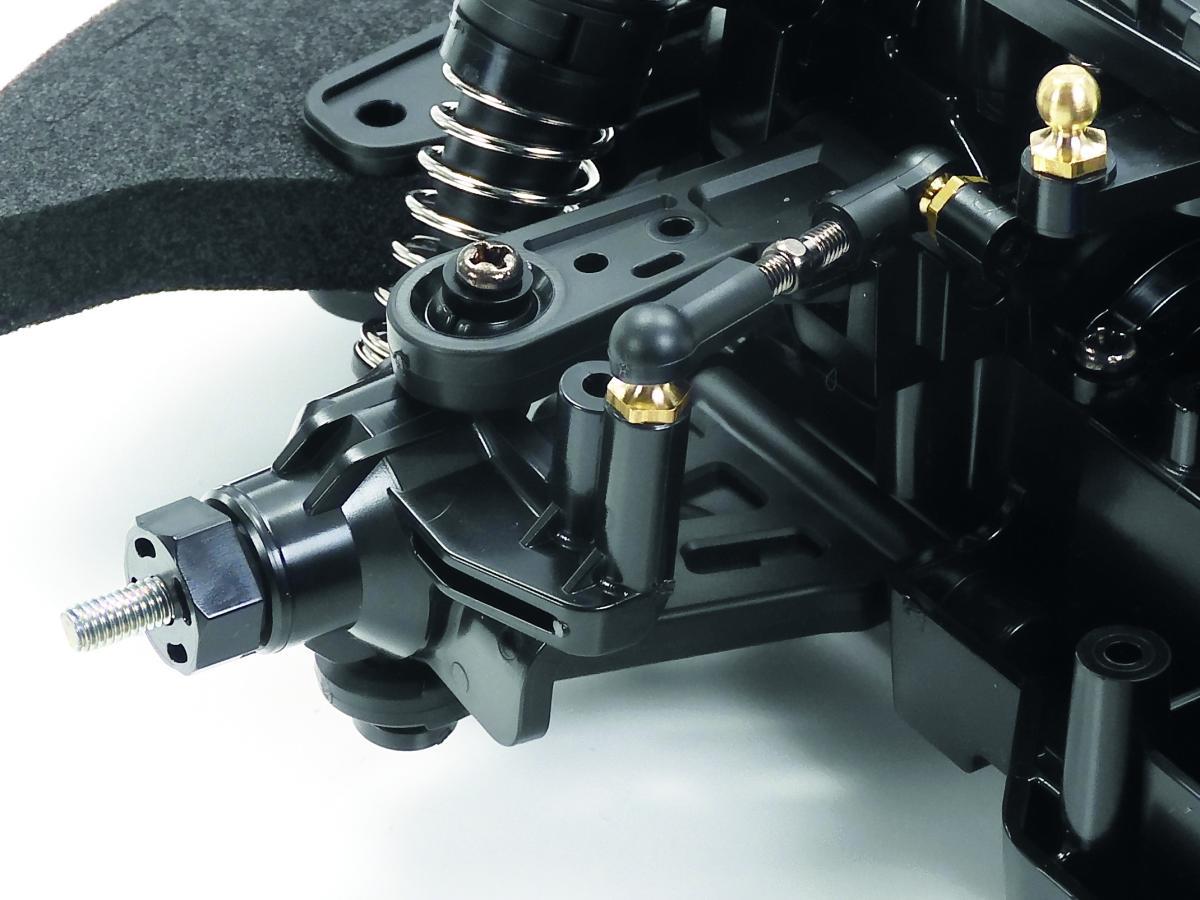
The independent suspension on the front and rear axles has an identical design. The suspension travel can be precisely adjusted using grub screws. The tie rods are also adjustable via left- and right-hand threads. The BT-01 chassis is equipped with four struts.
These friction shock absorbers are mounted at the front and rear of the chassis.
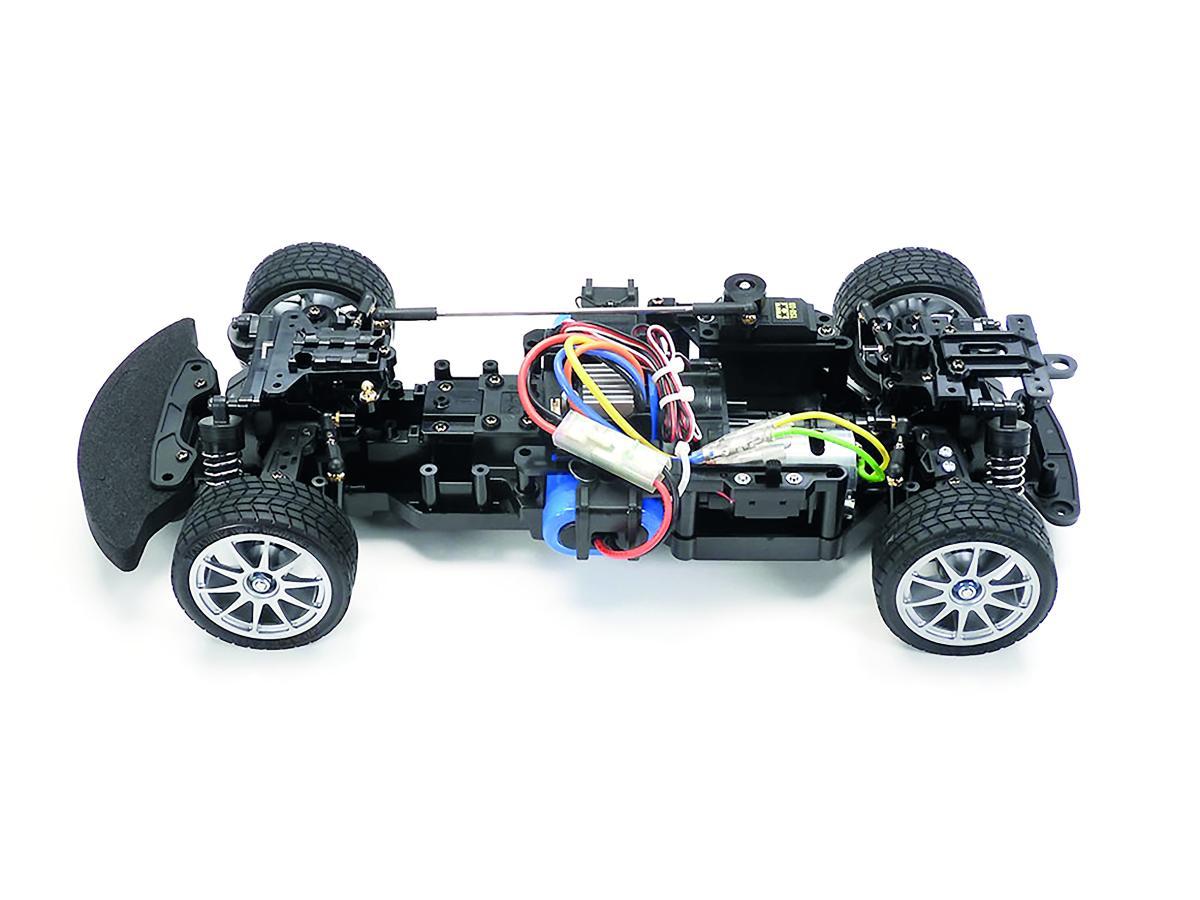
The steering servo is mounted in front of the rear axle, level with the motor. A tie rod of the appropriate length connects the servo to the steering mechanism.
There is even a hint of a cylinder head above the steering mechanism of the BT-01
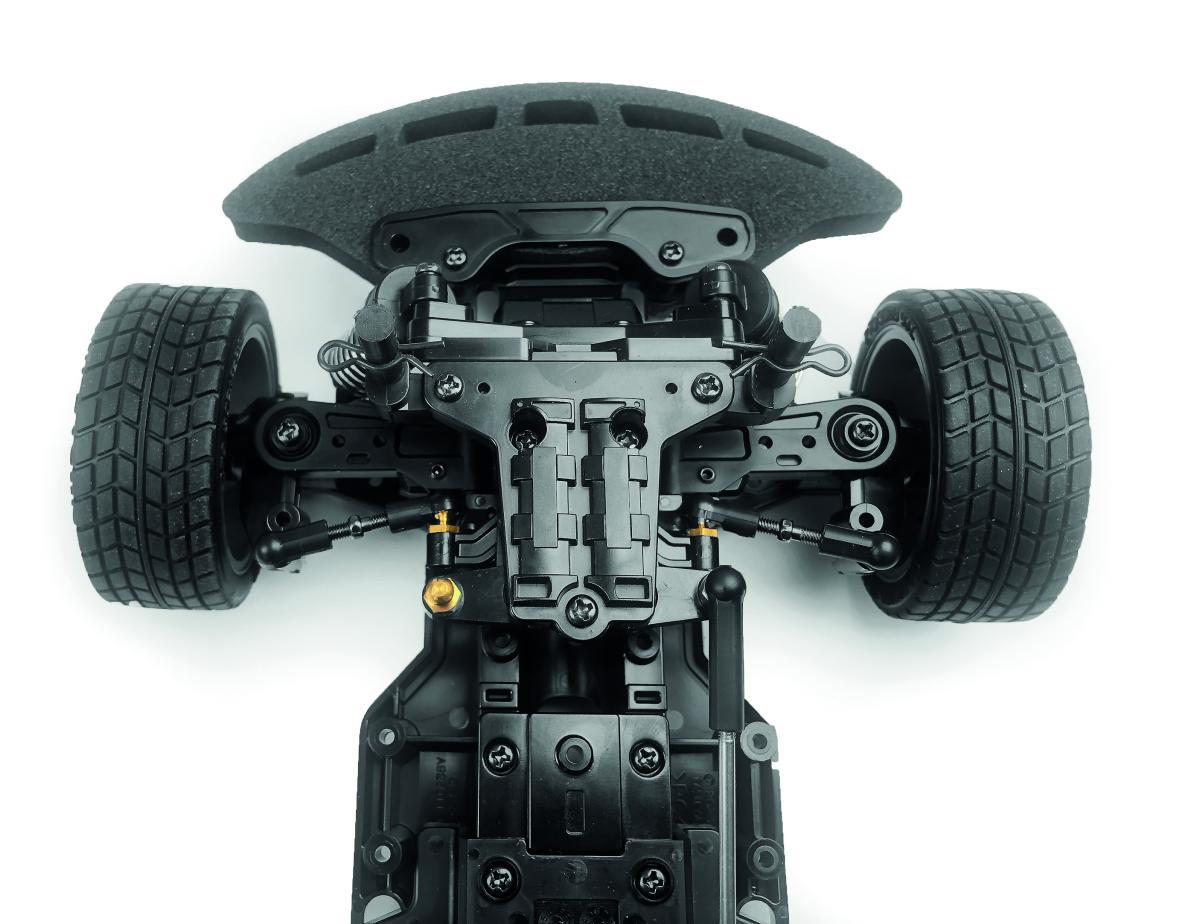
The drive battery is located in the center of the chassis, in front of the motor. The battery can be easily replaced using two plastic hinges, which fold upward and are secured with a body clip. A foam bumper protects the chassis from the front axle.
Test Drive
We tested our 2WD Toyota Supra in a clean, level parking lot. The model handles like a typical rear-wheel-drive car. If you lift off the gas and turn into a corner, the rear end quickly loses traction and slides out. If you take the corner with the gas open, the BT-01 tends to understeer. We adjusted the rear axle for a bit more toe-in, and the Supra felt noticeably more stable at the rear. Later, we fitted a tire with better grip on the rear axle, which significantly improved the handling even further. Since the BT-01 chassis is equipped only with struts, it tends to bounce slightly. However, at the speeds reached with the 540 engine, this was perfectly acceptable.
Conclusion
The Toyota Supra looks great, and driving it is a lot of fun. The new BT-01 chassis is part of a new generation of chassis from Tamiya. The M-Chassis MB-01, featured in CARS & Details 2/24, shares the same design concept and is identical in many parts. The M-Chassis XM-01 PRO, presented at the 2024 Toy Fair, is actually the first 4WD version in this new series. Replacement and tuning parts are also compatible in many cases. As a result, Tamiya fans can look forward to even more new models and chassis variants.